
Reviewed · HAMMAMET
Tour to the Medina of Hammamet and the Spice Market of Nabeul
Nabeul’s pottery workshops and Hammamet’s old seaside quarter give you two very different views of Tunisia in one morning. You’ll see how local ceramics are made, browse spices and regional crafts, then walk among the whitewashed lanes and roof terraces of Hammamet’s medina.
I like the multilingual guiding, which has worked well for English speakers in groups made up mostly of French speakers. I also like the family pottery workshop, where the craft feels connected to local tradition rather than presented as a museum display. The main caution is timing: hotel pickups and drop-offs can stretch a four-hour outing, and the spice-market stop may feel more like a shop visit on some days.
Key points to know before booking
- Nabeul gives the tour its strongest local flavor: pottery, spices, harissa, and neroli water are central to the visit.
- Hammamet’s medina sits by the sea: roof terraces and the old fishing port add more than a standard souk walk.
- The guide may speak several languages: English is available, but commentary can be shared across a mainly French-speaking group.
- The pottery visit includes shopping: you can watch the craft process and buy pieces directly from the workshop.
- The market stop is the least predictable part: the full market may not operate every day, and some outings use a spice kiosk or shop instead.
- Plan extra time: repeated hotel pickups can make the day last closer to six hours.
Why this half-day tour works
At about $29.04 per person, this is an inexpensive way to combine two nearby destinations without arranging separate transport. You get hotel pickup, a guide, a pottery stop, a market visit, and time in Hammamet’s medina for less than the cost of many private excursions.
The appeal is not a long list of grand sights. It is the change of scene. Nabeul is tied to everyday Tunisian shopping and handmade goods, while Hammamet offers narrow lanes, old architecture, sea views, and a resort-town atmosphere. In a single morning, you move from working craft to food culture and then to one of the region’s best-known old quarters.
The tour is best for you if you want an easy introduction to the area and do not need every minute tightly controlled. It suits families, first-time visitors, and anyone who would rather have local transport than deal with taxis between Hammamet and Nabeul.
It is less suitable if you want a detailed walking tour at every stop, a quiet private vehicle, or a carefully timed market visit. The group can reach as many as 50 people, and the guide may spend part of the time on the bus or let you explore independently.
Other Hammamet days people book alongside this one:
- Private tour: Medina,Carthage ,Sidi Bou Said, Bardo Museum+lunch
★ 5.0 · 194 reviews - Quad ride on the hills of Hammamet
★ 4.0 · 104 reviews - 2-Day Tunisian Sahara Tour with Food & Stay from Hammamet
★ 4.5 · 80 reviews
Starting at 8:00 am, with pickup time built in
The listed start time is 8:00 am, and pickup is offered from your hotel. A message confirming the pickup time may arrive the day before, which is useful because the actual collection time can depend on how many hotels are included.
This is a shared outing, so do not treat 8:00 as the exact moment you will leave the resort area. Several hotel stops can add a great deal of time. One account describes about 90 minutes spent collecting people from hotel complexes before the sightseeing really began. Another reports a pickup more than an hour later than expected.
That difference matters. The advertised sightseeing lasts roughly four hours, but you should keep closer to six hours free if you are planning lunch, a beach appointment, or another excursion later. The vehicle has been described as a clean small minibus with good air conditioning, a practical feature in Tunisia’s warm weather.
The group size can reach 50 people, although the vehicle used may be smaller depending on the departure. If you want the guide beside you for every street and stall, ask about a private option before booking. A private outing should also reduce the long sequence of hotel stops, though the information provided does not give a private-tour price.
Nabeul pottery: the most distinctive stop
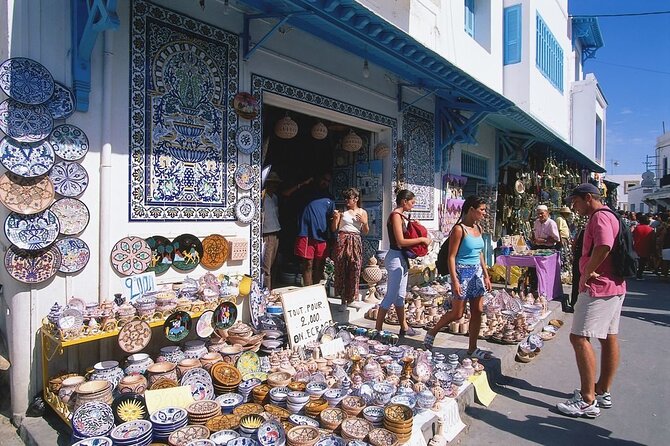
The pottery workshop is one of the clearest reasons to book this experience. Nabeul is widely known as Tunisia’s pottery and ceramics center, and the visit gives you a chance to see the craft at close range rather than simply finding finished plates in a souvenir shop.
The workshop is described as a family operation with a craft tradition carried through generations. You can watch part of the making process, hear about the techniques, and then browse the finished pieces. The shopping element is direct and obvious, so go in expecting a retail stop as well as a cultural visit.
That is not necessarily a bad thing. If you are looking for a useful souvenir, ceramics are more connected to Nabeul’s identity than generic trinkets. You might find plates, bowls, decorative pieces, and other handmade objects, but the available information does not guarantee a particular selection or price.
I would set a budget before entering. A workshop display can make it easy to buy more than planned, especially when several pieces are attractive and easy to pack. Ask about prices, packing, and shipping directly at the shop if you are considering a large or fragile item.
The stop lasts about an hour. That is enough time to see the process and browse, but not enough for a long technical demonstration. The visit has received some of the warmest praise because it connects the object in the shop with the hands and methods behind it.
Nabeul’s spice stop and the question of the real market
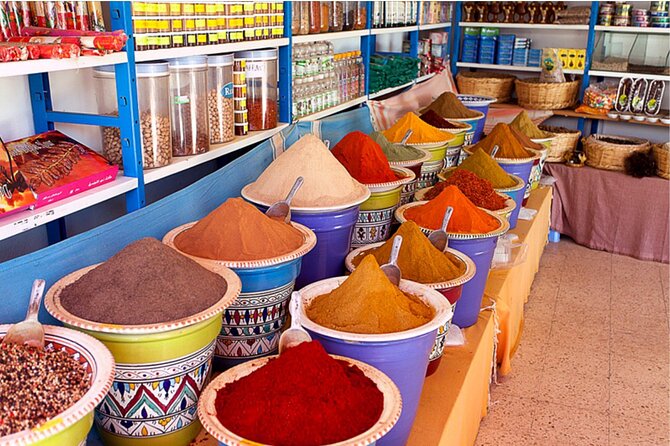
The Nabeul stop is presented as a visit to a daily market used by local Tunisians. It is meant to show the food side of the region, especially spices, harissa, and neroli water. Nabeul’s reputation for these products gives the stop a strong sense of place.
In practice, you should keep your expectations flexible. Some departures have included a proper market area and free time to browse. Others have felt more like a small spice kiosk or souvenir shop, with limited explanation and sales attention. One account also indicates that the larger spice market may not operate on every day of the week, with Friday identified as the key market day.
That makes the date of your tour important. If seeing a full market is a major reason for booking, contact Tekiki Tours and confirm what operates on your chosen day. The supplied information includes conflicting descriptions of which day is the main market day, so it is wise to verify rather than assume.
You may also have free time here instead of a guided walk through the market. That can be pleasant if you like to browse independently, but it is disappointing if you expect the guide to explain each product, custom, and section of the market.
Sales pressure is another consideration. Some shoppers have found the sellers overly persistent. Be polite, ask the price clearly, and remember that you are not required to buy. If you are interested in Tunisian cooking, ask about how the spices are used and how to pack them for the journey home.
A tea or coffee stop has apparently been offered on some versions of the outing, but it has not always been provided. Treat drinks as a possible extra, not a guaranteed part of the experience.
Same base, a completely different day out:
- Tunis, Sidi Bousaid and Carthage day trip from Hammamet
★ 4.5 · 44 reviews - Tunis Carthage airport transfer to Hammamet
★ 5.0 · 34 reviews - Half a day in Sidi Bousaid from Hammamet
★ 4.0 · 33 reviews - From Hammamet or Tunis: Carthage, Bardo, Sidi Bou said and Medina
★ 4.5 · 30 reviews
Hammamet’s seaside medina and roof terraces
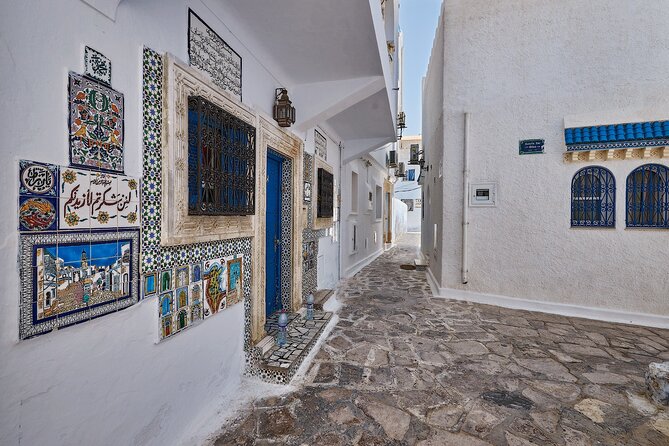
Hammamet’s medina is the scenic heart of the tour. Built beside the sea, it combines white walls, narrow lanes, small shops, and views from roof terraces. The setting gives the walk a different feel from Nabeul’s market, which is more closely tied to shopping and daily trade.
The guided portion is scheduled for about 90 minutes. The guide is meant to explain the medina’s architecture, local social customs, and the way the old quarter developed beside the water. You may also walk through the souks and see the old fishing port.
I especially like the roof-terrace element. From above, the medina’s layout becomes easier to understand, and the sea gives the old quarter a strong visual frame. This is also the point where the tour feels most like a sightseeing walk rather than a series of commercial stops.
The quality of this section depends heavily on the guide. Several outings have benefited from guides who could answer questions about Tunisian culture, architecture, and history in more than one language. English commentary has been provided even when most of the group spoke French.
Still, the guiding is not always continuous. Some departures have involved a guide who explained things on the bus but did not walk through Nabeul or accompany the group closely at each stop. In that case, the medina becomes more of a self-guided stroll with an introduction rather than a full walking tour.
If you want the strongest experience here, stay close when the guide begins explaining the lanes and buildings. It is easy to drift toward the shops and miss the context that makes the old quarter worth seeing.
Shopping in the souks without losing your patience
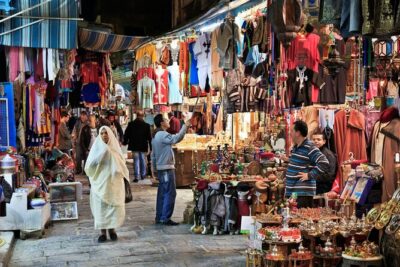
The souks are part of the pleasure of Hammamet, but they are also where the tour may feel less relaxed. You can expect shops selling pottery and other Tunisian crafts, including copper, leather, embroidery, and bassinets. The selection connects Hammamet with traditions from several parts of the country, not just the local area.
The trade is part of the experience, but you should not confuse a souk visit with a quiet museum visit. Sellers may approach you, and some shoppers have found the attention uncomfortable. A simple no thank you and steady walking usually works better than a long explanation.
If you are shopping, compare prices before committing. The earlier pottery workshop may offer a more direct connection to the maker, while the medina shops give you a wider mix of goods. Keep your purchases easy to carry, since you will still be moving between stops and returning to the minibus.
The medina is also a place to pause and look beyond the merchandise. Notice the contrast between the enclosed lanes and the open sea views, and take time at the old port if the schedule allows. The best part of the walk may be the setting, not the shopping.
A multilingual group changes the rhythm
The guide’s language skills are a real asset. English speakers have been included in groups that were about 95 percent French, and the guide has also handled French, German, Italian, and English on different departures. That makes the outing possible for a mixed group, but it can slow the commentary.
You may hear the same explanation repeated in several languages. That is fair and useful, but it leaves less time for questions or an extended walk. If you want detailed commentary in English, ask early and stay near the guide.
The most successful version of this tour depends on a guide who is both well informed and attentive. The strongest accounts describe friendly, engaging explanations and helpful answers about culture and art. The weaker experiences involve little guidance away from the bus.
This is why I would judge the tour as a good introduction rather than a specialist study of Nabeul ceramics or Hammamet architecture. You get enough background to understand what you are seeing, but the depth can vary from one departure to the next.
What the $29.04 price really buys you
The price is attractive because transport is the main hidden cost of visiting both places independently. Hotel pickup and return remove the need to arrange local taxis, and the guide gives you at least some context along the way.
The value is strongest if you want convenience and a sampler of the region. In a few hours, you can see pottery being made, shop for local food products, walk a seaside medina, and visit the old fishing port.
The value is weaker if you count on four full hours of sightseeing. Shared hotel transfers can consume a large portion of the morning. You are also paying for an experience that may include commercial stops, free time, and limited guiding at Nabeul rather than continuous commentary.
Admission to the listed stops is free, but you should budget separately for food products, pottery, and other purchases. Drinks are not reliably included. The tour does not appear to include a meal.
Who should book this outing
I would recommend it to families and first-time visitors who want a simple half-day introduction to Hammamet and Nabeul. The air-conditioned minibus, hotel pickup, manageable walking sections, and multilingual guide make it fairly easy to join.
It also works for shoppers who want to see pottery at its source and browse Tunisian crafts. The workshop is particularly worthwhile if you are considering ceramics as a souvenir.
I would hesitate if you dislike sales stops, crowded group transport, or uncertain timing. You should also think twice if the full Nabeul spice market is your main goal, since the exact market experience can depend on the day.
The tour requires good weather and a minimum number of participants. If poor weather or low enrollment causes cancellation, you should be offered another date or a refund. You can cancel for a full refund up to 24 hours before the local start time, but late cancellations and changes are not accepted.
Should you book the Medina of Hammamet and Nabeul tour?
Book it if you want good regional coverage for a modest price, and you are happy with a shared outing that mixes guided sightseeing, shopping, and free time. The pottery workshop and Hammamet’s seaside medina are the strongest parts, especially when the guide walks with the group and explains what you are seeing.
Before paying, confirm the pickup time, the expected market day, and whether tea or coffee is included. Keep extra time in your schedule for hotel stops. With those limits understood, this can be a useful and enjoyable way to see two sides of Tunisia in one morning.
FAQ
How long does the tour last?
The advertised duration is approximately four hours. Hotel pickups and drop-offs can extend the total time, so keeping about six hours free is sensible.
What time does the tour start?
The listed start time is 8:00 am. Your exact pickup time may be confirmed separately, depending on the hotel route.
Is hotel pickup available?
Yes. Pickup is offered, and the tour begins from a designated hotel pickup arrangement.
What places does the tour visit?
The experience includes Hammamet’s medina, the Nabeul market or spice stop, and a pottery workshop in Nabeul.
Is the guide available in English?
English guiding is available. The tour may run in several languages, and some groups are made up mostly of French speakers.
How large can the group be?
The maximum group size is 50 people.
Is pottery included in the tour price?
The pottery workshop visit is included, but any ceramics or other items you purchase are extra.
Can I cancel for a full refund?
Yes. You can cancel at least 24 hours before the local start time for a full refund. Cancellations or changes made less than 24 hours before departure are not accepted.
Just added around Hammamet
- Cap-Bon Self-Guided Excursion from Hammamet★ 4.5 · 3 reviews
- Private Excursion of Friguia Park and Medina of Hammamet★ 4.5 · 4 reviews
- Executive: Transfer Tunis Airport to Hammamet by Mercedes E Class★ 5.0 · 4 reviews
- Tunis, Carthage and Sidi Bou Said Self-Guided Excursion from Hammamet★ 4.5 · 4 reviews
- Airport Tunis Carthage Private Transfer to/from Hammamet★ 4.0 · 4 reviews
- DayTrip to KORBOUS Thalasso-Thermal Bath & Spectacular SEA Cliffs★ 4.5 · 5 reviews
- Kairouan, El Djem, Monastir Self-Guided Excursion from Hammamet★ 4.5 · 5 reviews
- Day trip to Cape Bon★ 4.0 · 5 reviews
Hammamet Tours, compared.
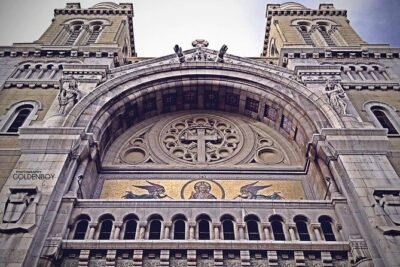
Private tour: Medina,Carthage ,Sidi Bou Said, Bardo Museum+lunch
Read our review →
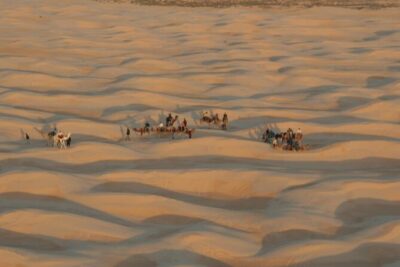
2-Day Tunisian Sahara Tour with Food & Stay from Hammamet
Read our review →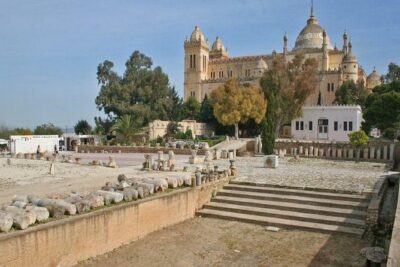
Tunis, Sidi Bousaid and Carthage day trip from Hammamet
Read our review →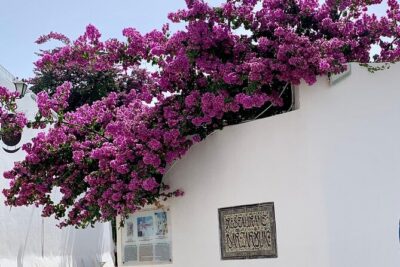
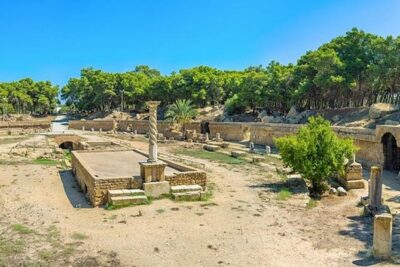
From Hammamet or Tunis: Carthage, Bardo, Sidi Bou said and Medina
Read our review →
Browse the lists this tour appears in