
Reviewed · CARTHAGE
Ancient Carthage and Sidi Bou Said Half Day Tour with Lunch
The most striking part of this outing is the contrast between Carthage’s vast Roman ruins and the crisp blue-and-white lanes of Sidi Bou Said. One stop explains power, war, and empire. The other is all sea views, art, and café life.
I like that transport, a guide, admission fees, and lunch are folded into the $76.38 price. I also like the chance to see both the Baths of Antoninus and the Tophet, then move on to Sidi Bou Said without arranging several separate trips.
The main caution is the timing. It is sold as a four-hour half-day tour, but some departures have lasted about 10 hours and included the Bardo Museum. Confirm the exact route and return time before booking, especially if your day in Hammamet is tightly planned.
Key points to know before booking
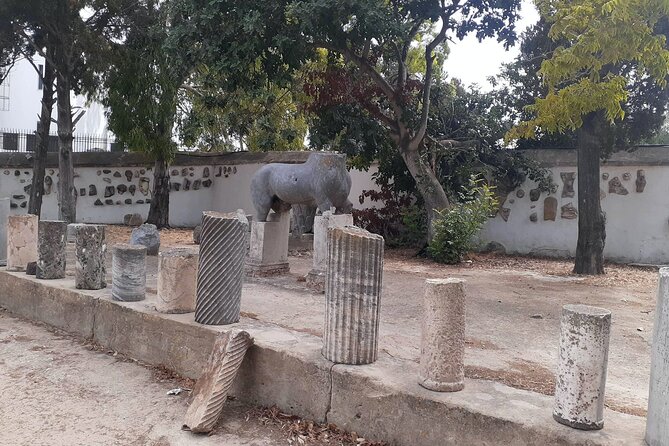
- Carthage combines several major sites: Expect the Baths of Antoninus, the amphitheatre area, and the Tophet, with the guide supplying the story that connects them.
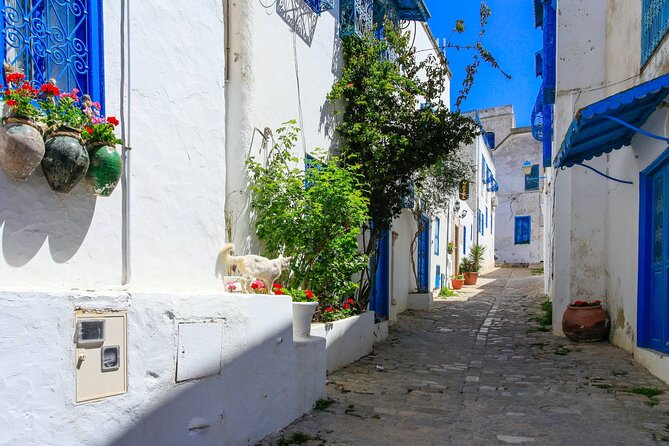
- Sidi Bou Said is the visual highlight: Whitewashed buildings, blue doors, steep lanes, art galleries, and sea views give the second half a very different mood.
- The schedule needs checking: The stated duration is about four hours, but some departures have run from around 7:30 am until 5:30 pm and added the Bardo Museum.
- Lunch is included but simple: The meal may be served quickly, and there is no guarantee of a menu choice.
- Guide quality can shape the day: Mohamed Ali has been praised for clear explanations, warmth, and answering questions.
- The group may be large: The maximum is 50 people, so this is a coach-style outing rather than a private tour.
Why Carthage is worth the trip from Hammamet
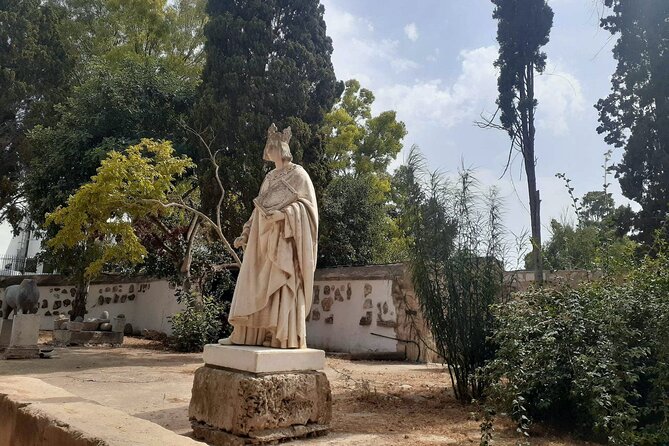
Carthage gives you a chance to see Tunisia through more than its beaches and resort towns. The ancient city was the capital of a major power that challenged Rome across the western Mediterranean. Rome eventually destroyed Carthage, rebuilt it, and made it an important Roman center.
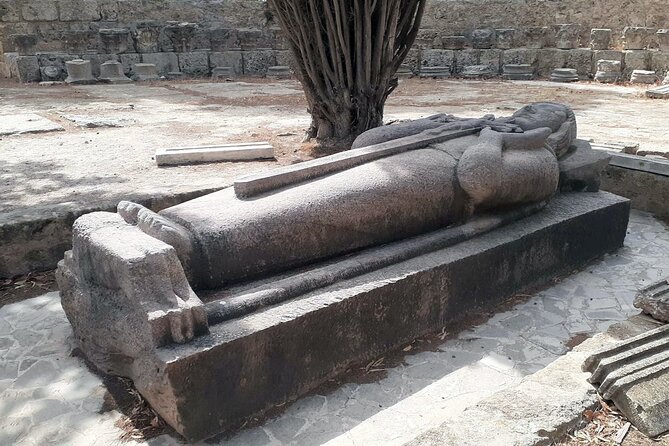
That layered past is what makes the site interesting. You are not walking through one perfectly preserved city. You are moving among scattered ruins from different periods, and a guide helps you understand what belongs to Punic Carthage and what belongs to the later Roman city.
Without that background, the remains can feel like isolated stones and columns. With a good guide, the Baths of Antoninus become part of a much larger picture of Roman public life, engineering, and political control.
The tour format makes sense for a first visit. You get transport from the Hammamet area, a broad introduction, and enough time to see several important points without having to piece together taxis, admission arrangements, and local transport on your own.
Still, keep your expectations measured. Carthage is spread across a wide area, and a short visit cannot cover every archaeological point in detail. One departure focused mainly on the Baths, while another included four Carthage stops. Ask how many sites your departure plans to visit if Carthage is your main reason for booking.
More Carthage and Sidi Bou Said days:
- Private tour: Medina,Carthage ,Sidi Bou Said, Bardo Museum+lunch
★ 5.0 · 194 reviews - Tunis, Sidi Bousaid and Carthage day trip from Hammamet
★ 4.5 · 44 reviews - Tunis Carthage airport transfer to Hammamet
★ 5.0 · 34 reviews
The Baths of Antoninus: the strongest Carthage stop
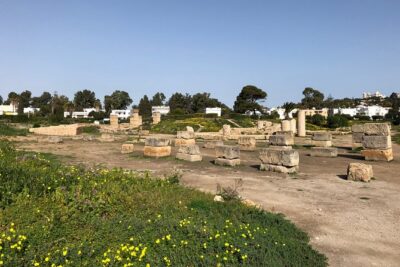
The Baths of Antoninus are usually the most impressive part of the Carthage visit. They were among the largest thermal baths in the Roman Empire, and their scale helps you picture the public buildings that once filled this part of the city.
You will see remains rather than a complete bath complex, so the guide matters here. Look for explanations of how the baths worked, how Romans used public bathing as part of daily life, and how the buildings fit into the Roman city.
This is also a good place to slow down and look beyond the obvious columns. The site has open views toward the sea, and the combination of stone ruins and coastal light gives the visit much of its appeal.
If you want a full archaeological study, two hours will feel brief. If you want a clear first look at Carthage, the Baths provide a strong anchor. I would pay close attention to the guide here, since the physical remains need interpretation.
The Tophet and amphitheatre area
The Tophet offers a darker side of Carthaginian history. It is associated with religious practices and sacrifice, making it an important stop for understanding why Carthage has remained such a debated and emotionally charged subject.
The guide’s explanation is particularly useful at this point. Ancient sources were often written by Carthage’s enemies, and the subject requires care. You may find the stop more thought-provoking than visually dramatic, so listen closely rather than expecting a grand monument.
The amphitheatre area adds another Roman layer. It helps show how the city changed after Rome’s victory and how Roman public entertainment became part of life in North Africa.
The exact balance between these sites can vary. The stated plan refers to the Tophet and amphitheatre, but one account described seeing only the Baths in Carthage. If you have a strong interest in the Tophet or amphitheatre, confirm that both are included on your departure rather than assuming every group follows the same route.
A guide can make or break the ancient city
A Carthage tour rises or falls on explanation. The ruins are spread out, and the surviving structures do not always announce their purpose. A guide who can connect the Punic, Roman, and later periods turns the visit into a story instead of a series of photo stops.
Mohamed Ali has received particularly warm praise for making the history clear, answering questions, and keeping a family outing interesting. French-speaking visitors have also described him as an excellent guide. That does not guarantee who will lead your departure, but it gives you a useful name to note when confirming your booking.
The group size may reach 50 people. That keeps the price reasonable, but it can make it harder to hear at busy points or ask several questions. Stay near the guide during explanations and use the free time at each location to explore at your own pace.
This is a good choice for you if you prefer a broad introduction to a major site. It is less suitable if you want a quiet, slow archaeological visit with long periods for photography and close inspection.
A few more Hammamet half-days to weigh up
- Kairouan & El Djem Guided Day Trip with Lunch from Hammamet
★ 4.0 · 18 reviews - Private tour: Medina,Carthage ,Sidi Bou Said, Bardo Museum+lunch
★ 5.0 · 230 reviews - Djerba Flamingo Island Pirate Boatrip – Trip, Lunch & Pick-up
★ 3.5 · 84 reviews - Guided Tour of Djerba island, Museums, Crocodile park & lunch
★ 4.0 · 52 reviews
Lunch: practical, included, and not the main attraction
Lunch is included, which is useful when you are away from your hotel for several hours. It means you do not need to search for a restaurant during a tightly arranged day, and it keeps the tour moving.
The meal appears to be a straightforward local lunch rather than a long culinary event. At one reported stop, identified as Restaurant La Victoire or Razgalla, the food was served without a choice and some dishes did not suit every palate. Other comments described the lunch as simple, good, and efficient, though a little rushed.
That mixed picture suggests the right approach: treat lunch as a convenient pause, not a reason to book the tour. If you have dietary restrictions or strong food preferences, ask the provider in advance what can be accommodated. The available information does not promise menu choices.
A quick meal can be a fair trade if it gives you more time at Carthage and Sidi Bou Said. But if you want a leisurely Tunisian meal with several choices, this outing may feel too functional.
Sidi Bou Said brings a completely different mood
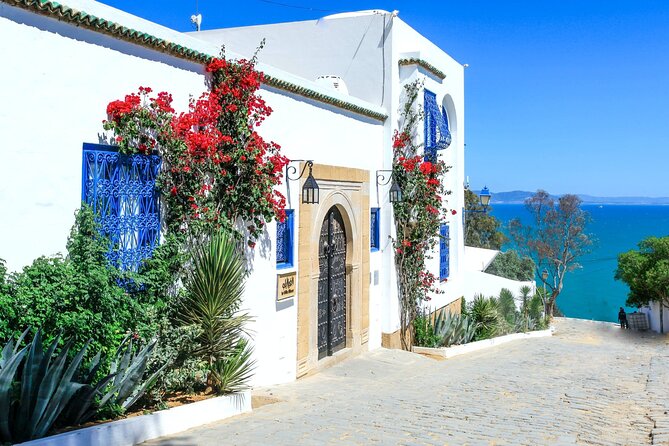
After the ruins, Sidi Bou Said feels almost like another country. The hilltop village is known for whitewashed buildings, blue doors and shutters, cobbled lanes, and views toward the sea.
The color scheme is the first thing you notice, but the village is more than a pretty backdrop. Its lanes have long attracted artists, and the tour includes time to look around art galleries and learn about the people who made the town a creative retreat.
You will have about two hours here on the stated schedule. That should give you time to wander, take in the views, and browse galleries without turning the visit into a rushed photo stop.
The slopes and cobbled streets can make walking tiring, especially after the open archaeological grounds at Carthage. Wear shoes that are comfortable on uneven surfaces. The tour information does not list a private vehicle inside the village, so expect to explore on foot.
Sidi Bou Said is also the more relaxed part of the day. Carthage asks you to concentrate on dates and ruins. Here, you can simply enjoy the doors, lanes, art, and setting. I would save some energy for this stop rather than treating it as a brief add-on.
The four-hour promise needs careful attention
The biggest practical issue is the difference between the advertised duration and some actual schedules. The tour is described as approximately four hours, beginning at 8:00 am, but one departure collected people around 7:30 am and returned at about 5:30 pm.
That is not a small variation. It changes the outing from a half-day visit into a full day away from Hammamet. It also affects meals, beach plans, hotel transfers, and any evening reservation you may have made.
The Bardo Museum has also appeared on some departures, even though the main description focuses on Carthage and Sidi Bou Said. The museum can be a worthwhile addition, especially for its mosaics and traditional café, but an unexpected museum visit is still a planning problem if you booked a short tour.
My advice is simple: ask the provider to confirm three points before you go.
- Is the Bardo Museum included on your date?
- How many hours should you allow from hotel pickup to return?
- Will the Carthage portion include the Baths, Tophet, and amphitheatre, or only selected sites?
You may welcome the extra stops. Just make sure they are extra stops you actually want.
Transport, group size, and overall value
At $76.38 per person, the package is reasonably priced if you value convenience. Transport, a guide, admission fees, and lunch are included. You are paying for a ready-made day rather than only entry to the ruins.
The value is strongest for people staying in Hammamet who want to see Tunis-area highlights without arranging a private driver. The distance and spread of the sites make organized transport useful, particularly when you also want a guide and a meal.
The value is weaker if the route changes without clear notice or if you expect an intimate tour. A maximum of 50 people points to a large coach group. You may spend some time waiting for everyone to board, gather, or finish at each stop.
Pickup is offered, and the mobile ticket makes the start straightforward. Confirmation is received at booking. Free cancellation is available if you cancel at least 24 hours before the local start time. Cancellations or changes inside that window are not accepted for a refund.
The average booking point is about 17 days before the tour. That suggests you should not leave it until the last minute if your holiday dates are fixed, though the cancellation terms give you some flexibility until the 24-hour cut-off.
Who should book this Hammamet excursion?
I would recommend it to a first-time visitor who wants a broad look at Carthage and Sidi Bou Said in one organized outing. It suits families, couples, and anyone who prefers a guide to explain scattered ruins rather than trying to make sense of them alone.
It is also a good fit if your main interests are Roman architecture, North African history, photography, and pretty town walks. The contrast between the Baths and Sidi Bou Said gives the day variety.
You may want another option if you are an archaeology specialist, dislike large groups, need a guaranteed four-hour schedule, or care greatly about lunch quality. A private guide or a more focused Carthage visit would give you more control, but likely at a higher price.
For families, the guide’s ability to answer questions matters. Mohamed Ali has been singled out for making the day interesting and clear, though the assigned guide can vary. The walking and long coach day also make the real duration important, so confirm it before paying.
Should you book Ancient Carthage and Sidi Bou Said?
Book it if you want an efficient introduction to two very different Tunisian sights and you are comfortable with a coach-style group. The included transport, guide, admission, and lunch make $76.38 fair value, and the Baths of Antoninus plus Sidi Bou Said give you both serious history and attractive scenery.
I would not book it without checking the schedule. The four-hour description conflicts with departures lasting roughly 10 hours, and the Bardo Museum may be added. If you confirm the route, accept a simple lunch, and allow plenty of time, this can be a rewarding day from Hammamet. If you need a strict half-day, choose only after the provider confirms the return time in writing.
FAQ
What is included in the tour price?
Transport, a guide, admission fees, and lunch are included. Extras are not included.
What time does the tour start?
The stated start time is 8:00 am. Pickup is offered, and some departures have collected people from hotels around 7:30 am.
How long does the tour last?
The advertised duration is approximately four hours. Some departures have lasted about 10 hours, from roughly 7:30 am until 5:30 pm, so confirm the schedule for your date.
Does the tour include the Bardo Museum?
The main tour description focuses on Carthage and Sidi Bou Said, but the Bardo Museum has been included on some departures. Ask the provider whether it is planned for your tour date.
What will I see in Carthage?
The planned Carthage visit includes the Baths of Antoninus, the Tophet, and the amphitheatre area. The number of sites visited can vary, and one departure focused mainly on the Baths.
Can I cancel for a full refund?
Yes. You can cancel at least 24 hours before the local start time for a full refund. Cancellations and changes made less than 24 hours before the start are not accepted for a refund.
Just added around Hammamet
- Cap-Bon Self-Guided Excursion from Hammamet★ 4.5 · 3 reviews
- Private Excursion of Friguia Park and Medina of Hammamet★ 4.5 · 4 reviews
- Executive: Transfer Tunis Airport to Hammamet by Mercedes E Class★ 5.0 · 4 reviews
- Tunis, Carthage and Sidi Bou Said Self-Guided Excursion from Hammamet★ 4.5 · 4 reviews
- Airport Tunis Carthage Private Transfer to/from Hammamet★ 4.0 · 4 reviews
- DayTrip to KORBOUS Thalasso-Thermal Bath & Spectacular SEA Cliffs★ 4.5 · 5 reviews
- Kairouan, El Djem, Monastir Self-Guided Excursion from Hammamet★ 4.5 · 5 reviews
- Day trip to Cape Bon★ 4.0 · 5 reviews
Carthage & Sidi Bou Said Day Trips, compared.
VIP Tour: Tunis Medina/Bardo, Sidi Bou Said, Carthage
Read our review →
Private tour: Medina,Carthage ,Sidi Bou Said, Bardo Museum+lunch
Read our review →
Guided Bike Tour of Carthage Archeological Site in Tunisia
Read our review →
1 day excursion Tunis Sidi Bousaid Carthage departure from Sousse
Read our review →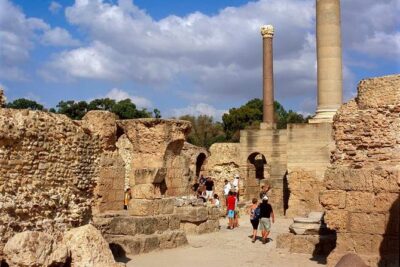
Archaelogical Site Of Carthage + Picturesque Village Of Sidi Bou Said
Read our review →
Tunis, Sidi Bousaid and Carthage day trip from Hammamet
Read our review →Browse the lists this tour appears in