
Reviewed · CARTHAGE
Self guided bike tour of Carthage archeological site
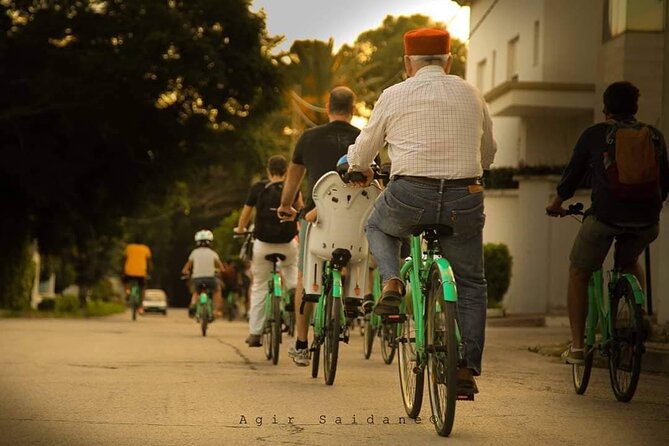
Carthage is spread across several sites, and a bicycle makes the distance manageable. This self-guided tour lets you move from the Punic sanctuary and ancient ports to Roman villas, the theater, aqueducts, and the Antonine Baths without depending on a fixed group schedule.
I like the freedom to spend three hours at the main archaeological area if you wish, then shorten the day or continue toward Sidi Bou Said. I also like that a bicycle, helmet, map, and detailed guidebook are provided. The main drawback is that the guidebook is available only in French, and admission fees at most sites are not included.
Key points to know before you book
- Carthage is spread out: A bicycle is useful because the major sites are separated across the modern town.
- You set the clock: The route can take about one hour or a full eight-hour day, depending on how long you stop.
- The guidebook is French only: This matters if you want written explanations in English or another language.
- The $45 price covers equipment, not most entries: You receive the bike, helmet, map, and guidebook, but archaeological-site tickets cost extra.
- The tour is private: Only your own group participates, which makes it easier to choose your pace.
- Check the meeting point carefully: The start is at 9 Rue Hannibal, beside the Carthage archaeological site, and the local operator is identified as Le Lemon Tour.
Why a bike is a smart way to see Carthage
Carthage is not one compact ruin with a single entrance. Its remains are scattered around a large area near Tunis, from the ancient harbors to the hillside of Byrsa and the Antonine Baths. Walking between every stop would take time and energy, while using taxis for each short hop can add cost and confusion.
I like the bicycle solution because it gives you control without turning the day into a transport exercise. You can pause at a ruin, read the guidebook, take photographs, and continue when you are ready. The route is intended for a half-day or full-day outing, but the stated duration is flexible, from roughly one to eight hours.
This is not a guided lecture on wheels. You receive the equipment and written material, then follow the suggested route yourself. That suits independent visitors who like making their own choices. It is less suitable if you want a historian beside you explaining every column and excavation as you go.
The tour is private, so your group does not need to match another party’s speed. Children must be accompanied by an adult. Most people can take part, and the meeting point is near public transportation.
More Guided Tours in Tunis
- Guided Bike Tour of Carthage Archeological Site in Tunisia
★ 5.0 · 88 reviews - Guided tour in the UNESCO world heritage Medina of Tunis
★ 5.0 · 68 reviews - Group Guided Bike Tour of Carthage Archeological Site in Tunisia
★ 5.0 · 57 reviews
Starting at 9 Rue Hannibal
The starting address is 9 Rue Hannibal, Site archéologique de Carthage 2025, Tunisia. The provider is Le Lemon Tour, and the local shop is marked by a bicycle on the wall and identified on Google Maps.
This detail deserves attention. One group had serious trouble finding the address and ended up paying for site admission and taxis between the ruins. The operator replied that the location is clearly marked and warned about possible taxi practices. I would save the exact address before leaving, check the map pin, and contact the provider if you cannot locate the shop.
That is not a reason to reject the tour, but it is a good reason to avoid arriving rushed. Tunisian taxi drivers may know the archaeological sites better than the shop address, so showing the precise meeting point on your phone is sensible.
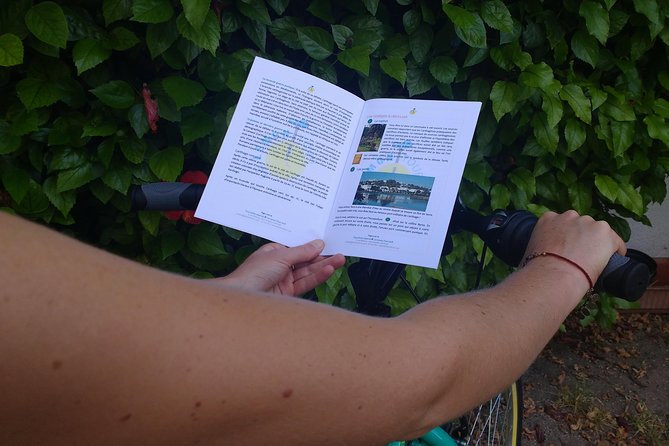
At pickup, you receive the bicycle, helmet, map, and detailed guidebook. The guidebook is in French only. If you do not read French, you can still follow the route and see the sites, but the written historical background will be of limited use.
A guide named Jibram is specifically associated with assistance on this experience. If he is helping your group, you can ask him about the route and local culture before setting off. The format remains self-guided, so do not book this expecting a full-time personal guide.
Tophet, the Punic sanctuary
The first listed stop is the Tophet de Carthage, an ancient Punic sanctuary. The suggested visit is short, about 10 minutes, and admission is not included.
This is a useful opening stop because it introduces Carthage before the larger Roman remains take over the day. The Tophet belongs to the earlier Punic city, the Carthage founded by Phoenician settlers. The guidebook can help you place the site within the city’s older story.
Ten minutes is enough for a quick look, but you may want longer if the subject interests you. Since the tour has no fixed guide commentary, this is one of the places where the French-only booklet matters most. Bring your own translation tool if you need help reading it, though no translation service is listed as part of the tour.
Punic Ports and the old harbor area
Next comes the Punic Ports and Museum, with about five minutes suggested for the stop. Admission is not included.
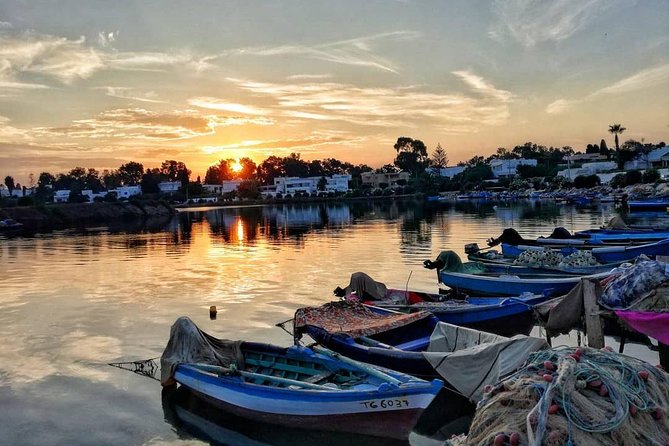
The ports are important because they show Carthage as a trading and naval power, not simply as a collection of broken stones. The stop combines Punic and Roman remains, giving you a quick sense of how the area changed over time.
The five-minute recommendation is quite brief. I would treat it as a route marker rather than a strict limit. If you want to understand the harbors, use the map and guidebook before moving on. The bicycle is especially helpful here because you can leave the port area without waiting for a vehicle.
More Carthage and Sidi Bou Said days:
- Private tour: Medina,Carthage ,Sidi Bou Said, Bardo Museum+lunch
★ 5.0 · 230 reviews - Carthage, Bardo Museum, Sidi Bou Said and Medina Private Day Tour
★ 4.5 · 153 reviews - Archaelogical Site Of Carthage + Picturesque Village Of Sidi Bou Said
★ 5.0 · 56 reviews - Historical Tour of Ancient Carthage
★ 5.0 · 51 reviews
Three hours among the main Carthage ruins
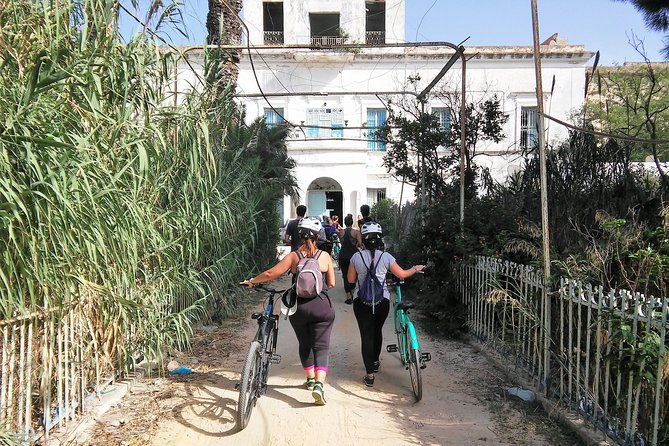
The main Site Archéologique de Carthage receives the largest time allowance, about three hours. Admission is not included, and the tour price does not cover the archaeological-site tickets.
This is the heart of the day. Rather than racing through every ruin, I would use the three hours to follow the guidebook’s route and decide which remains deserve your attention. The site includes several periods of Carthage’s past, with Punic and Roman remains appearing across the area.
The great advantage here is freedom. You are not trying to keep up with a guide or wait for a group photograph. You can stop for photographs, sit with the map, or leave earlier if the heat or your children’s patience becomes a problem.
The main caution is that the bicycle does not remove all walking. You will still need to park or leave the bicycle while examining individual ruins. Wear comfortable shoes and carry water, although the tour information does not state that refreshments are provided.
A quiet pause at the American Cemetery
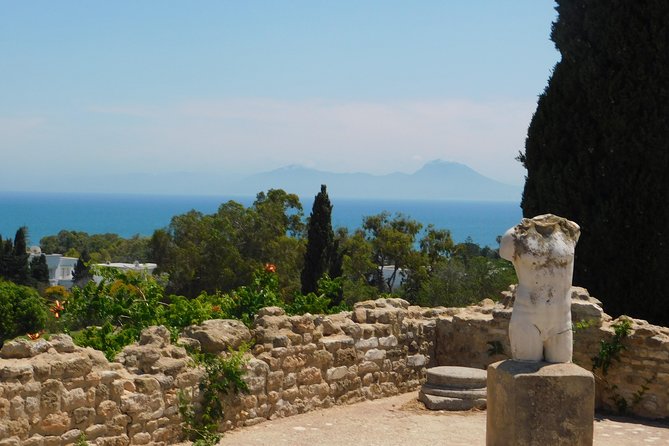
The North Africa American Cemetery is scheduled for about 15 minutes, and admission is free.
This stop changes the tone of the day. After ancient Punic and Roman sites, the cemetery brings you to a much more recent period of North African and world history. It is also a practical pause in the route, with no entry charge.
The short suggested visit is enough for a respectful stop. I would keep your pace quiet here and allow a little extra time if the memorial setting affects you. The cemetery is not an archaeological ruin, but it adds historical range to a day focused mainly on antiquity.
Aqueducts and the Malga Cisterns
The route then reaches the Carthage Aqueduct and Malga Cisterns. The suggested stop is only five minutes, and admission is not included.
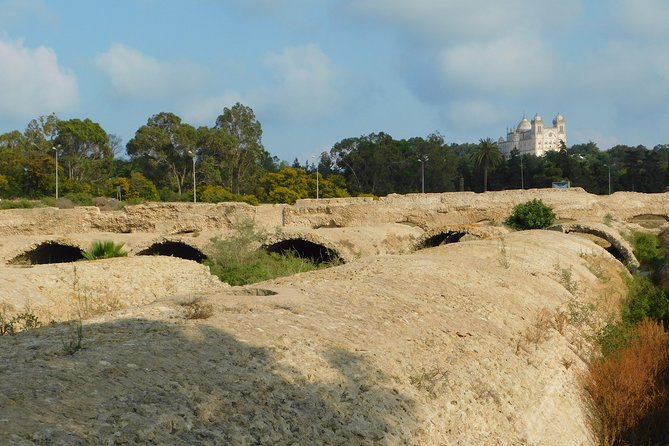
The name can be confusing because the route refers both to the aqueduct and to the Malga Cisterns. In practical terms, this is a stop for large-scale Roman water infrastructure. It helps explain how a major city supported its population and public buildings.
Five minutes may be enough for an overview, but this is another place where the guidebook can add value. The remains are less immediately familiar than a theater or bath complex, so written context makes the stop more rewarding.
This is also a good example of why the bicycle matters. A car or taxi can get you from one famous ruin to another, but cycling lets you connect the city’s separate pieces in a logical order.
The Roman villas
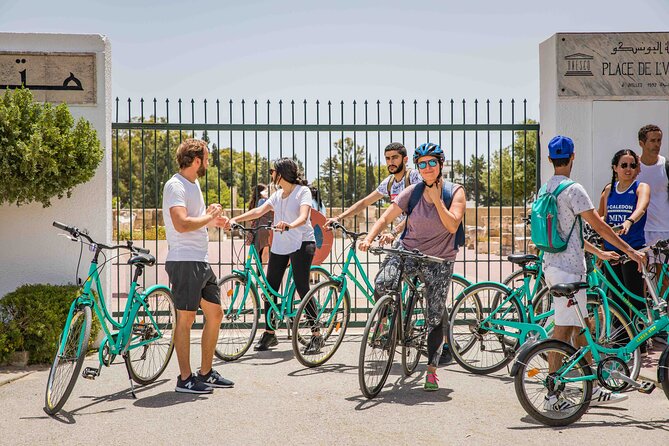
The Villas Romaines stop is planned for about 20 minutes. Admission is not included.
Roman villas help you picture ordinary urban life at a higher level than the monumental baths or theater. Look for the layout and decorative remains rather than expecting one complete house. The short visit gives you time to examine the site without making it the main event of the day.
I would place this stop after the larger archaeological area, when you already have a sense of Carthage’s scale. The guidebook can help explain how the villas fit into Roman Carthage. Since the tour is flexible, you can extend the stop if domestic architecture interests you.
Byrsa Hill and the Roman Theater
Byrsa Hill appears on the route between the villa area and the Roman Theater. It is not given a separate time allowance, so you should think of it as a viewpoint and route feature rather than a timed stop.
Byrsa Hill is central to understanding the city’s shape. From higher ground, you can better connect the scattered ruins below and see why the area cannot be covered efficiently by walking alone. I would pause here with the map before continuing.
The Roman Theater of Carthage is assigned about 15 minutes, with admission not included. The theater gives you one of the clearest examples of Roman public entertainment in the city. It is a quick stop in the planned schedule, but you may want to linger to study the scale and setting.
Because this is self-guided, you should not expect a performance or live interpretation. The value comes from seeing the structure in place and using the guidebook to understand what you are looking at.
One hour at the Antonine Baths
The final major stop is the Baths of Antoninus, also called the Antonine Baths or Anthonius Bath. The suggested visit lasts one hour, and admission is not included.
This longer allowance makes sense. Bath complexes are easier to appreciate when you have time to move through the remains and picture their original function. The site is one of the major highlights of Roman Carthage, and rushing through it would reduce the experience to a few photographs.
I would save energy for this stop. A full day of cycling and archaeological visits can become tiring, especially if you try to inspect every ruin. The flexible format lets you shorten earlier stops and give the baths the attention they deserve.
The route may also allow time to continue toward Sidi Bou Said, the nearby town known for its attractive setting and white-and-blue architecture. The experience specifically notes that you can also visit Sidi Bou Said, but it does not promise a separate guided visit or set schedule there. Treat it as an optional addition if your time and energy allow.
What the $45 price really covers
At $45, the tour is not simply an admission ticket to Carthage. It pays for use of a bicycle and helmet, along with a map and detailed guidebook. The value depends on how much you want the bicycle and how independently you prefer to explore.
I think the price makes the most sense for a half-day or full-day visit. If you use the bicycle for only one hour and spend little time at the ruins, the cost may feel high once entry fees are added. If you cover several parts of Carthage and avoid paying for taxis between them, the arrangement becomes more useful.
Remember that admission is not included at the Tophet, Punic Ports and Museum, main archaeological site, aqueduct area, villas, Roman Theater, or Antonine Baths. The American Cemetery is listed as free. Since the total cost depends on which sites you enter, budget for tickets separately.
The equipment is basic but practical. You receive a helmet, which I appreciate, and a written guide rather than a live commentary. The French-only booklet is the biggest limit on value for English-speaking visitors.
Who should book this Carthage bike tour?
I would choose this tour if you like archaeological sites but dislike being hurried. It suits couples, families with an adult accompanying each child, and small private groups that want to decide when to stop.
It is also a good match if you plan to combine Carthage with Sidi Bou Said. The bicycle gives you a way to link the area’s main sights while keeping control of your schedule.
I would be more cautious if you need detailed explanations in English, want all entrance tickets included, or prefer a fully guided tour. The French guidebook may be a deal breaker, and the self-guided format requires you to read the map, manage your time, and find each site yourself.
The route is near public transportation, and most people can participate. Still, you should be comfortable cycling between separate archaeological areas and walking around the ruins once you arrive.
Booking, cancellation, and practical planning
Confirmation is received when you book. You can cancel for a full refund up to 24 hours before the local start time. Cancellations or changes made within 24 hours are not refunded or accepted.
I would reserve enough time for the meeting point, especially after the reported difficulty locating the address. Save 9 Rue Hannibal and look for the Le Lemon Tour bicycle marker rather than relying on a taxi driver to identify the shop.
The full route can last as long as eight hours, but you do not have to commit to that length. A shorter half-day ride may be enough for the main archaeological site, Byrsa Hill, the theater, and the baths. A full day gives you more room for the Tophet, ports, cemetery, aqueducts, villas, and Sidi Bou Said.
Should you book it?
Book this tour if freedom, cycling, and a broad look at Carthage matter more to you than live commentary. The route covers the city’s main Punic and Roman sights, and the bicycle solves the practical problem of distance.
Think twice if you do not read French or expect admission fees to be included. Check the meeting address carefully, plan for extra site tickets, and decide in advance how long you want to ride.
For an independent visitor who wants to explore Carthage at a personal pace, $45 can be fair value, especially over a half or full day. The best version of this experience is unhurried: use the map, give the main ruins time, and treat Sidi Bou Said as an optional finish rather than a promise.
FAQ
How long does the self-guided Carthage bike tour last?
The experience can last from about one hour to eight hours. You can choose a half-day or full-day approach and set your own pace.
What is included in the tour?
The price includes use of a bicycle, a helmet, a map, and a detailed guidebook about Carthage and the surrounding area.
Is the guidebook available in English?
No. The provided written guidebook is available in French only.
Are archaeological-site admission fees included?
No. Admission is not included at the Tophet, Punic Ports and Museum, main Carthage archaeological site, aqueduct area, Roman villas, Roman Theater, or Antonine Baths. The North Africa American Cemetery is listed as free.
Where does the tour start and finish?
The tour starts at 9 Rue Hannibal, Site archéologique de Carthage 2025, Tunisia. It ends back at the meeting point.
Can children join the bike tour?
Yes. Children can participate, but they must be accompanied by an adult.
More Self-Guided Tours in Tunis
- Kairouan, El Djem, Monastir Self-Guided Excursion from Hammamet
★ 4.5 · 5 reviews - Tunis, Carthage and Sidi Bou Said Self-Guided Excursion from Hammamet
★ 4.5 · 4 reviews - Cap-Bon Self-Guided Excursion from Hammamet
★ 4.5 · 3 reviews
Just added around Tunis
- Private Group Day Tour Tunis Medina Carthage Sidi Bou Said★ 4.5 · 3 reviews
- Private Tour Bardo Museum, Carthage, Sidi Bou Said and Medina★ 4.5 · 3 reviews
- Explore Tunisia in Depth:The Private Grand Tour in 8 Days★ 5.0 · 3 reviews
- 3-Day South of Tunisia Guided Tour from Tunis★ 4.0 · 3 reviews
- Bardo Museum , Oudhna and the roman aqueduct★ 5.0 · 4 reviews
- From Tunis: Star Wars 5 day tour★ 5.0 · 4 reviews
- DAY TRIP TO Dougga & Bulla Regia , DEPARTURE FROM Tunis★ 5.0 · 4 reviews
- Private Walking Tour of Carthage Archaeological Site in Tunisia★ 4.5 · 4 reviews
Carthage & Sidi Bou Said Day Trips, compared.
VIP Tour: Tunis Medina/Bardo, Sidi Bou Said, Carthage
Read our review →
Private tour: Medina,Carthage ,Sidi Bou Said, Bardo Museum+lunch
Read our review →
1 day excursion Tunis Sidi Bousaid Carthage departure from Sousse
Read our review →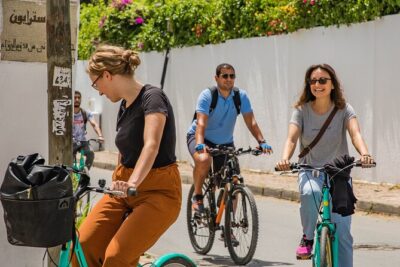
Group Guided Bike Tour of Carthage Archeological Site in Tunisia
Read our review →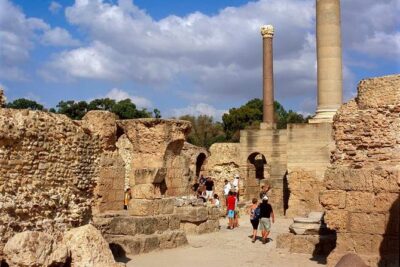
Archaelogical Site Of Carthage + Picturesque Village Of Sidi Bou Said
Read our review →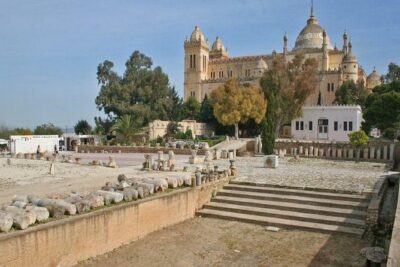
Tunis, Sidi Bousaid and Carthage day trip from Hammamet
Read our review →Browse the lists this tour appears in