
Reviewed · DOUGGA
Bulla Regia and Beni Mtir Cascade Daytrip from Tunis
Bulla Regia is the star here: a Roman-era city where several grand homes were built partly underground to escape the hot Tunisian sun. I like that this trip pairs serious archaeology with Beni M’Tir’s mountain setting, giving you ruins in the morning and a quieter village and dam later.
I also like the private door-to-door transport, especially because Bulla Regia lies well beyond Tunis and is not a simple independent day trip by public transport. The main drawback is the long road time and the absence of lunch from the $141.36 price, so you should plan for a full day rather than a quick sightseeing outing.
Key points to know before booking
- Underground Roman houses: Bulla Regia is known for mosaics, thermal baths, and villas built below ground level.
- Two very different stops: Ancient ruins come first, followed by the mountain village and dam at Beni M’Tir.
- Private travel from Tunis: Your group has its own air-conditioned vehicle with Wi-Fi and door-to-door service.
- Three commentary languages: You can request English, French, or German.
- Archaeological admission included: The entrance fee for Bulla Regia is covered, but lunch is not.
- Flexible cancellation: Cancel at least 24 hours before departure for a full refund, subject to the weather policy.
Why Bulla Regia is worth the long ride from Tunis
Bulla Regia sits north of Jendouba in the Medjerda Valley, among the cereal plains of northwestern Tunisia. Its position helped make it valuable to several ancient powers, and the surviving remains reflect Carthaginian, Numidian, Roman, and Byzantine periods.
The city was founded in the 4th century BC. Rome took control in 203 BC, and by 156 BC it had become the capital of the Numidians under Massinissa, a major ally of Rome. That sequence gives the site more depth than a simple Roman ruin. You are looking at a place shaped by several political eras, not one isolated Roman settlement.
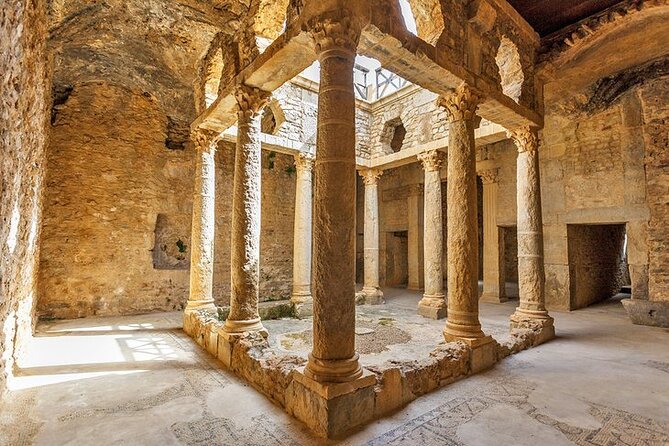
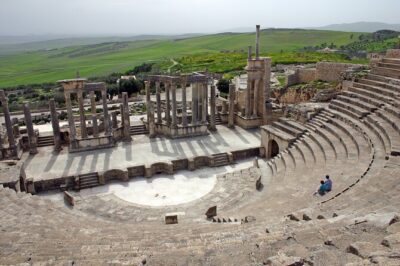
The most unusual feature is the underground design of the Roman houses. Some residences were built below ground, creating cool interior spaces during the heat of summer. This is the part I would focus on during your visit, since it helps you understand how people adapted their buildings to the climate.
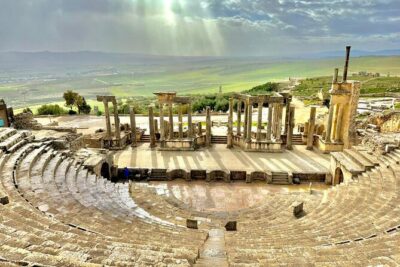
The archaeological area also includes ancient mosaics, thermal baths, an amphitheater, and other remains. The mosaics are especially important because they bring color and detail to walls and floors that otherwise might look like piles of old stone. With a good explanation, you can begin to picture how the rooms were used and how the houses fit into the wider city.
The tour allows about two hours at Bulla Regia. That is enough time for a useful introduction to the site, but it is not an all-day archaeological study. You will need to stay aware of the pace, particularly if you want time for close looks at every mosaic and ruin.
The guide commentary is available in English, French, or German. That matters at Bulla Regia because the site makes more sense when someone explains what you are seeing. One strong part of the experience is the effort to make the ruins visual, helping you picture the city as it appeared in the third century AD rather than simply pointing out disconnected remains.
More Roman site days around Tunis:
- Private Excursion to Testour, Dougga and Bulla Regia from Tunis.
★ 5.0 · 100 reviews - Full Day Dougga & Bulla Regia Via Testour Private tour with Lunch
★ 5.0 · 29 reviews - Private Guided Tour of Dougga and Testour Mosque
★ 4.5 · 15 reviews
Roman villas, mosaics, and baths beneath the surface
Bulla Regia rewards curiosity more than speed. At first, you may see broken walls, open rooms, and fragments of a city plan. Then the below-ground houses reveal the clever idea behind the architecture.
The sunken rooms are not just an odd design choice. They show how Roman builders used the ground itself for shade and relief from the heat. This gives the site a practical quality. You are not only studying ancient decoration, you are seeing an answer to a daily problem.
The mosaics add another layer. Their patterns and scenes help explain the importance of the homes and public spaces where they were found. You might find that the floors are more memorable than the standing walls, since they retain the kind of fine detail that time often removes from ancient buildings.
The thermal baths provide another useful clue. Baths were social and public places as well as practical ones, and their remains help you understand the city as a functioning community. The amphitheater adds yet another piece, showing that public entertainment had a place here too.
I would bring sturdy shoes and protect yourself from the sun, although the supplied tour information does not specify the site’s exact walking conditions. The archaeological area is the main activity of the morning, so expect time on foot rather than a stop that you can see entirely from the vehicle.
Admission to Bulla Regia is included. That simplifies the day and means you do not need to arrange a separate ticket when you arrive. The two-hour visit also keeps the overall schedule manageable, since the drive from Tunis is a major part of the outing.
Beni M’Tir brings a different side of northwestern Tunisia
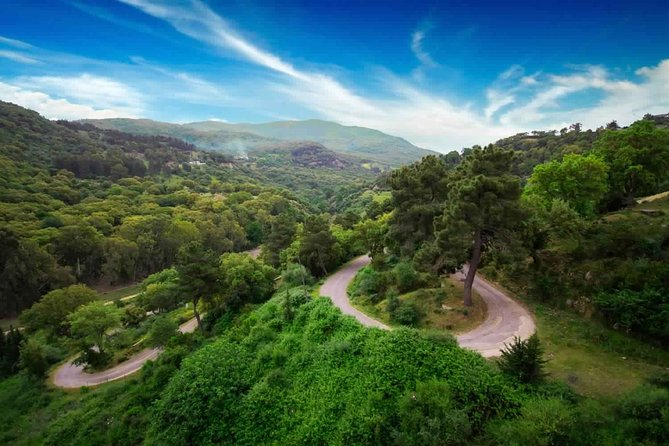
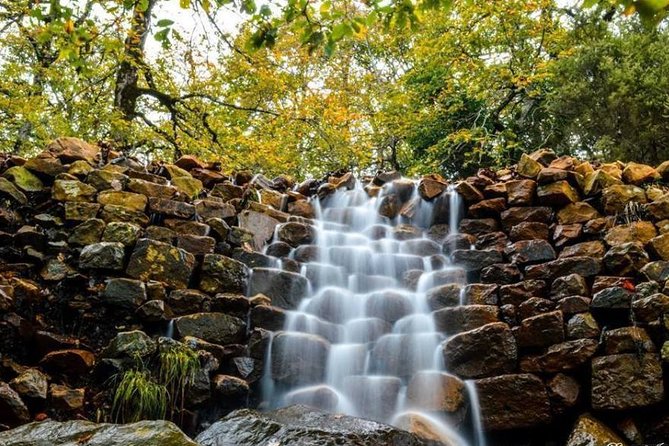
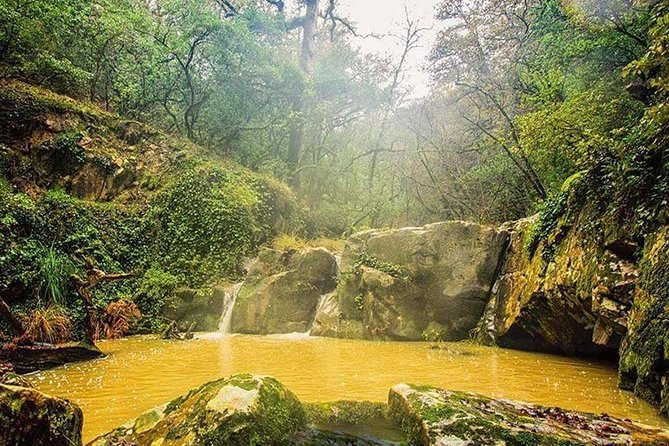
After the ancient city, the trip continues to Beni M’Tir, a village in the Kroumirie mountain region. It is only a few kilometers from Bulla Regia and Ain Draham, but it feels very different in character.
Beni M’Tir sits in the territory of the Kroumir tribes, a Berber tribal confederation. The village was built in 1948 for the engineers and workers who came to construct the Beni M’Tir dam. That modern origin gives the town an unusual identity. It is not an ancient settlement, yet its setting and architecture connect it to the wider culture of northwestern Tunisia.
The village has kept its original architectural style through a municipal decree. Look for the tiled roofs, matching facades, black shutters, and red frames. These details give Beni M’Tir a planned appearance that differs from the irregular streets of older Tunisian towns.
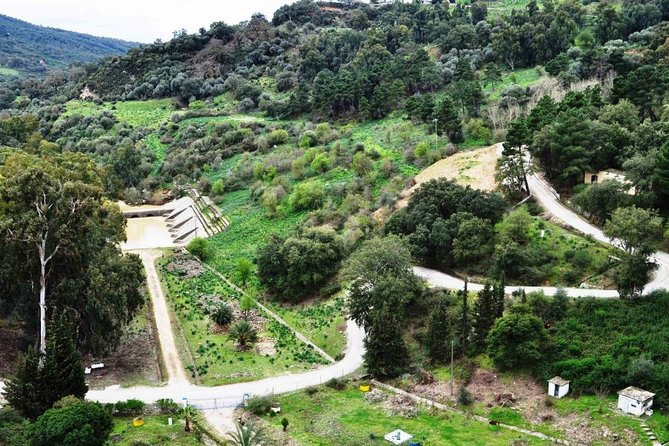
The dam is the main focal point. The village overlooks it, and the surrounding mountain setting provides a calm counterpoint to the archaeology at Bulla Regia. You are not coming here for a long list of formal monuments. You are coming to see a carefully preserved village, its setting, and the structure that shaped its modern beginnings.
The visit is scheduled for about two hours, with no separate admission charge. That gives you time to take in the village and dam without rushing through both stops. Still, the supplied details do not promise a formal dam tour, boat ride, or extended hike. Expect a scenic cultural stop, not an adventure activity.
This is where the day feels most relaxed. Bulla Regia asks you to pay attention to ancient plans and decorative details. Beni M’Tir lets you slow down and look at the relationship between the village, the mountains, and the dam.
What the private vehicle adds to a long day
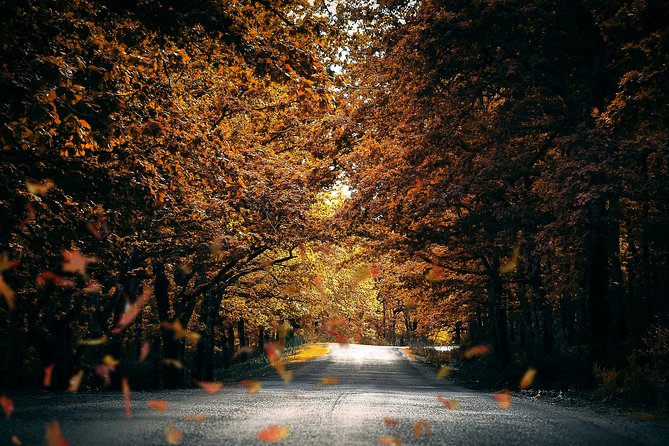
The tour lasts about seven to eight hours, and pickup is offered from Tunis. You travel by private, air-conditioned vehicle with Wi-Fi, and only your group participates.
That arrangement is a real advantage. Northwestern Tunisia is not a quick hop from the capital, and a private transfer saves you from piecing together transport connections. You can also keep the day focused on the two planned stops instead of working around a public timetable.
The air conditioning matters during a day that includes outdoor archaeological remains. Wi-Fi on board is a practical extra for checking messages or passing time between stops, though the quality of the connection is not specified.
Private travel also makes the experience easier for different kinds of groups. Families, couples, and small groups can keep together without sharing the day with strangers. If one person wants more time at a mosaic or another prefers a slower look at the village, it may be easier to discuss the pace with a private guide than on a large coach excursion.
The tradeoff is cost. At $141.36 per person, this is not the cheapest way to see Bulla Regia. But the price includes private transportation, air conditioning, Wi-Fi, all fees and taxes, and admission to the archaeological site. For a group that values convenience and a dedicated vehicle, the cost can be reasonable. For a solo visitor mainly interested in the ruins, the price may feel high.
The tour is described as a private full-day excursion, but the exact pickup time and total drive duration are not provided. I would confirm those details before booking, especially if you have evening plans in Tunis.
A few more Tunis half-days to weigh up
- Private Tour to Kairouan, El Jem & Monastir from Tunis_hammamet
★ 5.0 · 301 reviews - Private tour: Medina,Carthage ,Sidi Bou Said, Bardo Museum+lunch
★ 5.0 · 230 reviews - Carthage, Bardo Museum, Sidi Bou Said and Medina Private Day Tour
★ 4.5 · 153 reviews - Guided Bike Tour of Carthage Archeological Site in Tunisia
★ 5.0 · 88 reviews
Food is the main extra to plan yourself
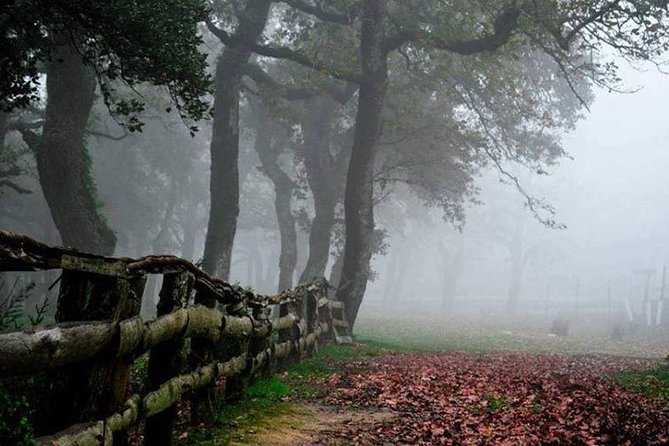
Lunch is not included. That is the most important practical omission because the tour covers much of the day.
The supplied details do not specify a restaurant, meal stop, or whether food can be purchased along the way. You should ask the provider how lunch is handled before departure. A previous outing included a pleasant lunch with local guides, but that does not mean lunch is part of the standard price, so do not assume it is covered.
This is also a good place to clarify whether you should bring snacks or water. The tour includes transport and site admission, but no food provision is listed. A little planning will keep the long transfer and two-hour archaeological visit more comfortable.
Who will get the most from this excursion
I would recommend this trip to you if Bulla Regia is high on your Tunisia wish list and you want a guide to explain the ruins rather than simply photograph them. The underground Roman homes are unusual enough to justify the journey from Tunis, especially if you enjoy architecture, mosaics, and ancient urban life.
It also suits you if you want to combine archaeology with scenery. Many ancient-site excursions remain focused on stones and inscriptions. This one adds Beni M’Tir, a village with preserved mid-20th-century architecture overlooking a major dam in the Kroumirie region.
The private format is useful for families and small groups. It is also a sensible choice if you dislike organizing long-distance transport on your own. The vehicle is air-conditioned, and pickup makes the day easier from the start.
You might prefer another plan if you want a leisurely food-focused outing, a long mountain walk, or several archaeological sites in one day. The itinerary gives each stop about two hours, and lunch is not included. It is best understood as a focused pairing of one major ruin and one scenic village.
Most travelers can participate, and service animals are allowed. The tour is also near public transportation, though private pickup and transport are already included. No special physical requirements are stated, but Bulla Regia naturally involves walking around an archaeological site.
Language, guide quality, and the value of explanation
You can receive commentary in English, French, or German. I would select your preferred language at booking so the provider can prepare the right guide.
The strongest part of the guide service is the historical explanation at Bulla Regia. A bare site visit can leave you with attractive mosaics and half-understood walls. A good guide helps you imagine the city in use, explains why the houses were built below ground, and connects the Carthaginian, Roman, Numidian, and Byzantine periods.
The guide can also add meaning at Beni M’Tir by explaining the village’s connection to the Kroumir tribes, the 1948 construction project, and the preserved facades. The information provided does not name the individual guides, so you should not expect to choose a particular person when booking.
The tour has received an overall rating of 4.7 from six published ratings, with especially strong praise for the explanations at Bulla Regia, the mosaics, the food experience on one outing, and the friendly service. The practical lesson is simple: this trip depends heavily on the quality of the guide, so confirm the language and ask what level of commentary is provided if archaeology is your main reason for booking.
Cancellation and weather considerations
You can cancel for a full refund up to 24 hours before the experience begins. Changes or cancellations within 24 hours are not accepted and are not refunded.
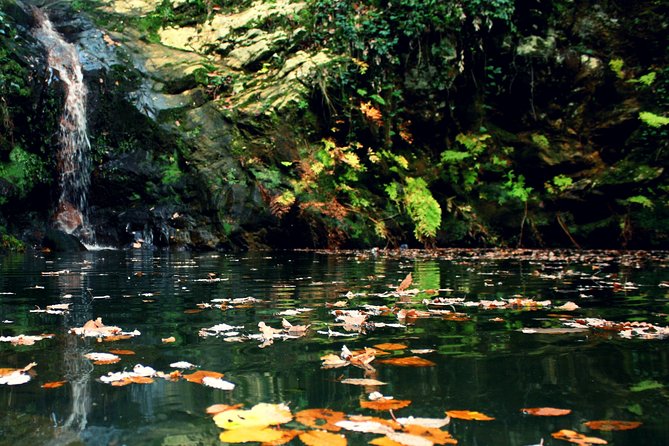
The experience requires good weather. If poor weather causes the operator to cancel, you will be offered another date or a full refund. Since part of the appeal is walking through an archaeological site and viewing an outdoor village setting, the weather rule is sensible, but you should keep some flexibility in your Tunis schedule.
Should you book Bulla Regia and Beni M’Tir?
Book this excursion if you want Bulla Regia’s rare underground Roman architecture, clear historical commentary, and a private ride from Tunis. The addition of Beni M’Tir makes the day more varied, with a dam, mountain setting, and preserved village architecture after the ruins.
The price makes the most sense for two or more people sharing the convenience of a private vehicle. Before paying, confirm pickup time, lunch arrangements, and your preferred commentary language. If those details suit you, this is a well-focused way to reach one of Tunisia’s more unusual ancient sites without handling the long journey yourself.
FAQ
Where does the tour begin?
The excursion begins in Tunis, and pickup is offered.
How long does the experience last?
The day trip lasts approximately seven to eight hours.
Is this a private tour?
Yes. Only your group participates in the private tour or activity.
What languages are available for the commentary?
Commentary is available in English, French, or German.
Is admission to Bulla Regia included?
Yes. Admission to the Bulla Regia archaeological site is included in the price.
Is lunch included?
No. Lunch is not included.
What transportation is provided?
You receive private transportation in an air-conditioned vehicle with Wi-Fi on board.
What happens if the weather is poor?
If the experience is canceled because of poor weather, you will be offered a different date or a full refund. You can also receive a full refund if you cancel at least 24 hours before the start time.
Just added around Tunis
- Private Group Day Tour Tunis Medina Carthage Sidi Bou Said★ 4.5 · 3 reviews
- Private Tour Bardo Museum, Carthage, Sidi Bou Said and Medina★ 4.5 · 3 reviews
- Explore Tunisia in Depth:The Private Grand Tour in 8 Days★ 5.0 · 3 reviews
- 3-Day South of Tunisia Guided Tour from Tunis★ 4.0 · 3 reviews
- Bardo Museum , Oudhna and the roman aqueduct★ 5.0 · 4 reviews
- From Tunis: Star Wars 5 day tour★ 5.0 · 4 reviews
- DAY TRIP TO Dougga & Bulla Regia , DEPARTURE FROM Tunis★ 5.0 · 4 reviews
- Private Walking Tour of Carthage Archaeological Site in Tunisia★ 4.5 · 4 reviews
Dougga & Bulla Regia Roman Sites, compared.
Private Excursion to Testour, Dougga and Bulla Regia from Tunis.
Read our review →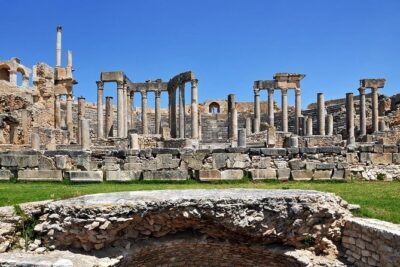
Full Day Dougga & Bulla Regia Via Testour Private tour with Lunch
Read our review →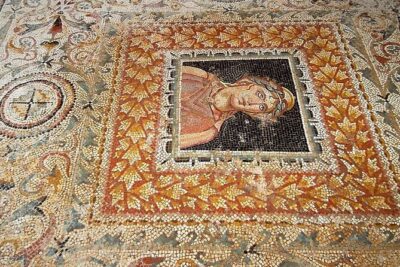
Private Day Trip to Testour, Dougga and Bulla Regia from Hammamet
Read our review →
Private Guided Tour of Dougga and Testour Mosque
Read our review →
DAY TRIP TO Dougga & Bulla Regia , DEPARTURE FROM Tunis
Read our review →Browse the lists this tour appears in