
Reviewed · TUNIS
Walking city tour
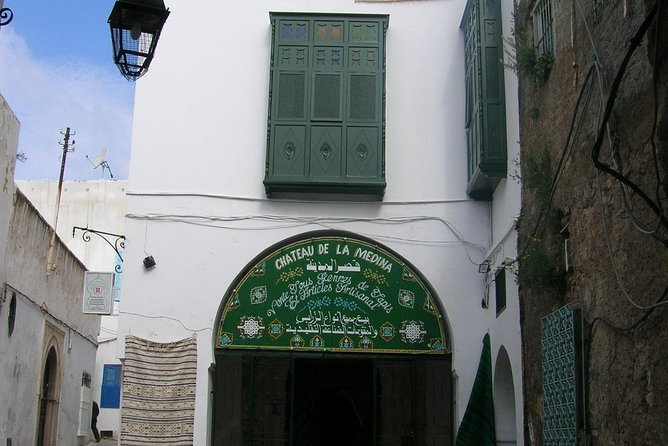
Tunis reveals its character through sharp contrasts: a modern university district gives way to the old Medina, where narrow lanes, mosques, workshops, and markets crowd together. The most rewarding part is the guided walk inside the Medina, especially with a local guide such as Youssef, Hassan, or Su, who can add personal knowledge to the streets.
I like the planned mix of modern Tunis and the old city, and I like that the route includes substantial landmarks rather than just a quick market stroll. The four-hour length also gives you time to pause and get your bearings. The main concern is reliability: several bookings reportedly ended in a no-show, while another group found the tour was not private and did not include the advertised driving portion.
Key points to know before booking
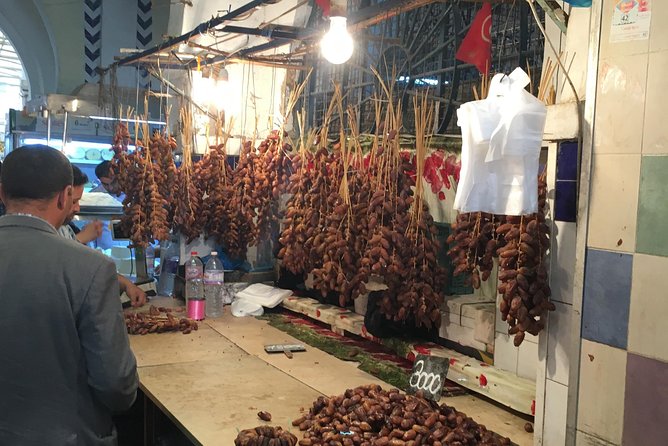
- The Medina is the tour’s strongest part: Expect narrow streets, market lanes, religious monuments, and everyday local activity.
- The advertised route begins beyond the old city: The university and El Manar are included in the plan, but actual transport has not been consistent.
- Zitouna Mosque anchors the historic walk: Tourbet el Bay, Foundouk al Attarine, and the central market add variety.
- Guides can make a big difference: Youssef, Hassan, and Su received especially warm praise for their personality and local insight.
- The private-tour promise needs checking: The activity is described as private, but one booking reportedly became a shared tour.
- There is real service risk: Several people waited at the Royal Victoria Hotel and received no guide or prompt response.
From Tunis University to El Manar
The route is designed to begin with a look at Tunis beyond its famous old quarter. You first visit the university, described as one of the most important higher-education institutions on the African continent, then continue through El Manar, the nearby district associated with Tunisia’s economic and population growth during the past two decades.
That opening matters because it gives you a frame for the rest of the day. The Medina is not an isolated museum piece. It sits within a capital that has expanded, modernized, and changed quickly. Seeing the university area first should help you read Tunis as a living city rather than as a collection of old monuments.
Still, this is the part of the experience that needs the clearest confirmation. The written plan refers to a vehicle taking you toward the Medina, but the tour price does not include an air-conditioned vehicle. One person who completed the experience said there was no driving and that the visit stayed entirely in the Medina, beginning and ending there.
That discrepancy affects the value of the tour. If the university and El Manar are important to you, ask the operator exactly how this part works before paying. Find out if transport is supplied, if you arrange it yourself, or if the actual outing is simply a four-hour Medina walk.
More walking tours in Tunis:
- Walking City Tour
★ 4.5 · 7 reviews - Private Walking Tour of Carthage Archaeological Site in Tunisia
★ 4.5 · 4 reviews - Fun VIP Tour: Sousse &/OR Monastir (Walking Tour or Car Option)
★ 5.0 · 69 reviews
Meeting at the Royal Victoria Hotel
The listed starting point is the Royal Victoria Hotel, at 5 Place de la Victoire, Port de France, Tunis 1001. This places you at the entrance to the Medina, a practical location for the historic portion of the outing.
The activity ends back at the same meeting point. That makes the tour easy to fit around other plans, at least in theory. You do not need to arrange a second pickup across town, and you can continue exploring near Port de France after the guide finishes.
I would arrive early and keep the operator’s contact details ready. The service record is uneven. Several people waited at the stated time, sometimes for an hour, without seeing a guide or receiving a reply through messages or calls. In one case, the operator explained that a platform error meant the reservation had not reached its booking list.
That is not a small inconvenience in Tunis. A missed morning can disrupt museum visits, meals, transport, or a same-day departure. Confirmation is supposed to arrive at booking, but I would still send a short message before the cancellation deadline and again on the day before the walk.
Entering the Medina through its narrow lanes
Once you reach the Medina, the tour becomes a walking experience in the fullest sense. You leave the vehicle, if transport is actually provided, and follow the guide through lanes that can feel confusing on your own.
This is where a local guide earns the fee. The Medina is made for slow observation, but its winding streets can be hard to read on a first visit. A guide can point out the important buildings, explain what you are seeing, and lead you beyond the broadest shopping streets.
The strongest accounts describe guides who took groups into less obvious corners and showed ordinary local life rather than only the most photographed sights. Su, who was described as born and raised in the Medina, was especially praised for knowing its smaller lanes. That kind of background can turn a simple walk into a better introduction to how the old quarter functions.
The tone seems personal rather than formal. Youssef was described as a gentleman who cares deeply about Tunisian culture and the city he calls home. Hassan was praised for being friendly and easy to spend time with. Those details matter because four hours on foot work best with a guide who listens, adjusts the pace, and explains rather than recites.
At the same time, do not expect a perfectly predictable route. A local walk through a working Medina may include crowded passages, uneven surfaces, and stops that depend on access and timing. The activity asks for a moderate level of physical fitness, so comfortable shoes are more important than polished clothing.
Zitouna Mosque and the religious heart of Tunis
Zitouna Mosque is one of the main listed stops. Its name means olive tree mosque, and it is the central religious landmark of the Medina itinerary. The visit gives the walk a clear anchor after the initial streets and markets.
The value here is not only the building itself. The mosque helps explain why the surrounding quarter developed as it did, with religious, commercial, and residential life packed into a small area. Your guide can connect the monument to the streets around it and show how the Medina’s major places are tied together.
The supplied details do not confirm interior access, opening times, or a specific visiting procedure. Ask the guide what you will be able to enter and what you will view from outside. Dress respectfully for a religious site, and be ready for the possibility that the visit may focus on the exterior if access is restricted.
I like that the itinerary names specific monuments. A vague promise to see the old city is less useful than knowing that Zitouna Mosque is intended as a main stop. Just remember that a named stop does not always mean a long interior visit.
A few more Tunis half-days to weigh up
- Private Tour to Kairouan, El Jem & Monastir from Tunis_hammamet
★ 5.0 · 301 reviews - Private tour: Medina,Carthage ,Sidi Bou Said, Bardo Museum+lunch
★ 5.0 · 230 reviews - Carthage, Bardo Museum, Sidi Bou Said and Medina Private Day Tour
★ 4.5 · 153 reviews - Private Excursion to Testour, Dougga and Bulla Regia from Tunis.
★ 5.0 · 100 reviews
Tourbet el Bay and the city’s rulers
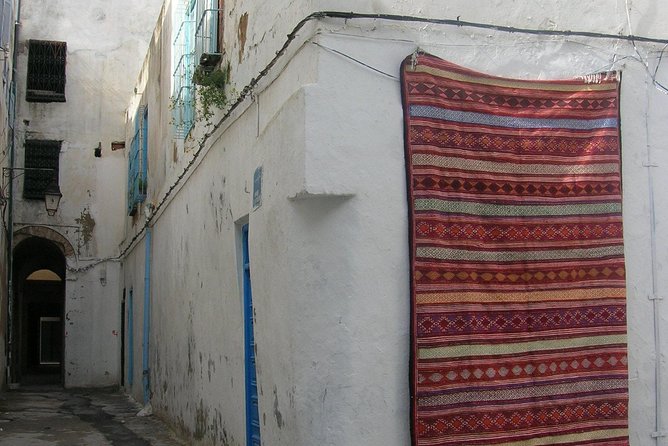
Tourbet el Bay adds a different note to the walk. This mausoleum is associated with the Husainid rulers of Tunisia and gives the guide a chance to discuss the people who governed the country before the modern era.
For you, this stop breaks up the market experience with a quieter look at dynastic Tunis. It also shows how the Medina combined places of worship, royal memory, trade, and everyday housing. The tour is at its best when these buildings are explained as parts of one urban system.
Again, the precise access details are not supplied. Treat Tourbet el Bay as a planned point of interest, but do not assume that every interior will be open or that the visit will follow a fixed length. The guide’s explanation may be more important than the number of minutes spent inside.
If you are interested in architecture or politics, this could be one of the more useful stops. If you mainly want food and shopping, it still provides a necessary pause and helps keep the tour from becoming a simple march through stalls.
Foundouk al Attarine and the old commercial quarter
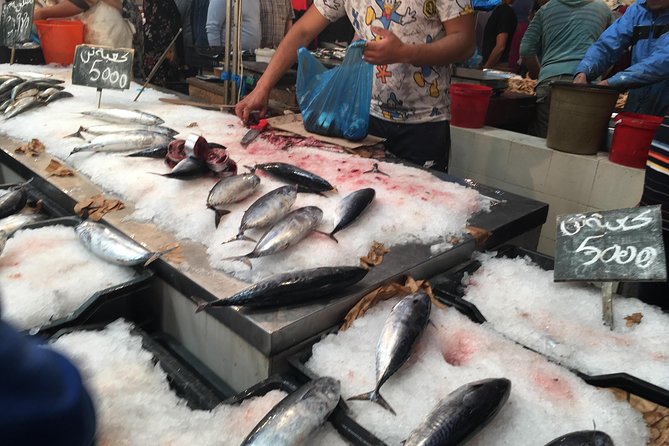
Foundouk al Attarine represents the Medina’s trading past. A foundouk traditionally served as a place where merchants, goods, and visiting traders could be accommodated. Its inclusion gives the walk a practical commercial angle.
This is a good setting for noticing how the old city was organized around work. You may see how lanes and buildings served different trades, with shops and workshops close to religious and residential spaces. The guide’s local knowledge is important here because the meaning of a plain doorway or narrow passage is easy to miss.
The experience appears to favor context over a long list of formal attractions. That suits Tunis. The Medina is not best understood by rushing from one grand facade to another. Its interest comes from the way daily commerce still occupies the old streets.
The downside is that commercial areas can be busy and distracting. If you want detailed explanations, stay close enough to hear the guide. If you are hoping to shop, agree in advance on how much time you can spend browsing so the walk does not lose its shape.
The central market and daily life
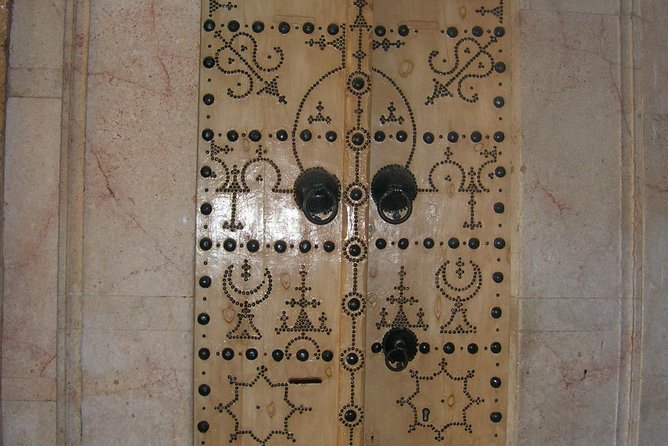
The central market is the most direct link between sightseeing and ordinary city life. It gives you a chance to see the Medina as a place where people buy, sell, work, and meet, not simply as an attraction built for visitors.
I would save questions about Tunisian food, customs, and daily routines for this part of the tour. A personable guide can often make a market more understandable by explaining what you are looking at and how the different stalls fit into local life.
One account specifically appreciated a small food treat from the guide. That does not mean refreshments are included, so do not book this expecting a tasting program. Bottled water is included, while food and other purchases are not listed.
The market can also be the least controlled part of the outing. You may need to watch your belongings and keep track of the meeting point within the lanes. The guide should bring you back to the Royal Victoria Hotel at the end, but it is wise to stay with the group and avoid wandering off for a long shopping stop.
What the four-hour schedule really gives you
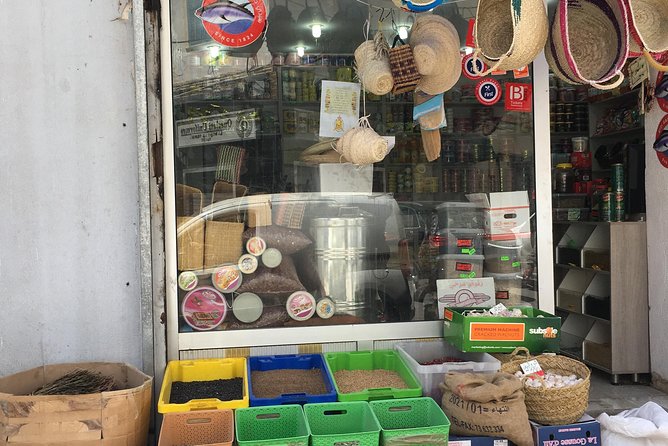
Four hours is a useful middle ground for Tunis. It is long enough to include several Medina landmarks and still leave room for questions, but short enough that you can add another activity later in the day.
The walking portion will shape your experience more than the clock. The route includes monuments, streets, market areas, and explanations, so you should expect a steady outing rather than a quick photo stop. A moderate fitness level is requested, and the description does not promise special assistance for mobility needs.
The schedule also depends on the disputed opening section. If the university and El Manar are covered, more of your time is spent seeing the contrast between newer Tunis and the old quarter. If the outing stays in the Medina, you will get more time among the historic streets but less of the modern-city comparison.
That is why I would ask two direct questions before booking: Is the tour actually private for my date, and does the guide provide or arrange transport from the university area to the Medina? The answers will tell you what four hours and $92 are buying.
Is $92 a fair price?
At $92, the tour is not a bargain-priced casual walk. It can be fair value for a private four-hour experience if you receive the promised route, a dependable guide, and enough personal attention to ask questions and shape the pace.
The price includes all fees and taxes plus bottled water. It does not include an air-conditioned vehicle, and there is no stated inclusion for meals, entrance tickets, or shopping. Since the transport plan is unclear, you should treat any vehicle cost as a possible extra until the operator confirms otherwise.
A private tour has particular value on your first day in Tunis. A good guide can help you get oriented, explain local customs, and show you how the Medina is laid out. That can save time later, especially if you plan to return independently.
But the private-tour value disappears if the group is combined with others without warning. One booking reported exactly that problem. Since several people also reported guides failing to appear, the service risk is a serious part of the price calculation, not a minor footnote.
Free cancellation is available up to 24 hours before the start time. A cancellation within 24 hours is not refundable, and changes during that period are not accepted. Poor weather may lead to a different date or a full refund, but the tour requires suitable weather.
Who will enjoy this Tunis walking tour?
I would consider it for a first visit to Tunis, especially if you want a guide who can explain both the modern city and the Medina. It suits people who enjoy monuments, local streets, market scenes, and conversation more than a rigid sightseeing checklist.
It is also a good match for anyone who wants a personal introduction to the old quarter. The strongest guide experiences came from Youssef, Hassan, and Su, with particular praise for warmth, local pride, and access to less obvious streets.
I would be cautious if you need guaranteed transport, a tightly managed schedule, or confirmed interior visits. You should also think twice if walking on uneven Medina streets is difficult, since only a moderate fitness level is specified and no special accessibility details are given.
Families and small groups may like the private format, but only after confirming that the booking will remain private. Solo visitors may find the guide useful for orientation, though $92 is a substantial cost if the promised service is not delivered.
Should you book it?
Book this tour if the operator confirms, in writing, the meeting time, guide name, private status, transport arrangement, and exact route. The Medina portion has real promise, and a guide such as Youssef, Hassan, or Su can make the old city far easier to understand than a solo first walk.
I would not book it blindly. The mix of excellent guide experiences and repeated no-shows creates too much uncertainty for a rushed itinerary. If your plans are flexible and the details are confirmed, this can be a useful four-hour introduction to Tunis. If missing the appointment would spoil your day, choose a provider with a stronger record of communication and keep this as a backup idea.
FAQ
Where does the Tunis walking tour start?
It starts at the Royal Victoria Hotel, 5 Place de la Victoire, Port de France, Tunis 1001, Tunisia.
Where does the activity end?
The activity ends back at the listed meeting point, the Royal Victoria Hotel.
How long does the tour last?
The tour lasts approximately four hours.
Is the tour private?
It is advertised as a private activity for your group only. However, one booking reported that the tour was not private, so confirm this point before booking.
Is transportation included?
The route description refers to approaching the Medina by vehicle, but an air-conditioned vehicle is specifically not included. Another account said the outing involved no driving and stayed in the Medina, so confirm the transport plan directly.
What is included in the price?
All fees and taxes and bottled water are included. An air-conditioned vehicle is not included, and meals or shopping are not listed as inclusions.
What happens if I need to cancel?
You can receive a full refund if you cancel at least 24 hours before the start time. Cancellations or changes made less than 24 hours before the start are not accepted for a refund. If poor weather causes the operator to cancel, you may be offered another date or a full refund.
Just added around Tunis
- Private Group Day Tour Tunis Medina Carthage Sidi Bou Said★ 4.5 · 3 reviews
- Private Tour Bardo Museum, Carthage, Sidi Bou Said and Medina★ 4.5 · 3 reviews
- Explore Tunisia in Depth:The Private Grand Tour in 8 Days★ 5.0 · 3 reviews
- 3-Day South of Tunisia Guided Tour from Tunis★ 4.0 · 3 reviews
- Bardo Museum , Oudhna and the roman aqueduct★ 5.0 · 4 reviews
- From Tunis: Star Wars 5 day tour★ 5.0 · 4 reviews
- DAY TRIP TO Dougga & Bulla Regia , DEPARTURE FROM Tunis★ 5.0 · 4 reviews
- Private Walking Tour of Carthage Archaeological Site in Tunisia★ 4.5 · 4 reviews
Tunis Tours, compared.
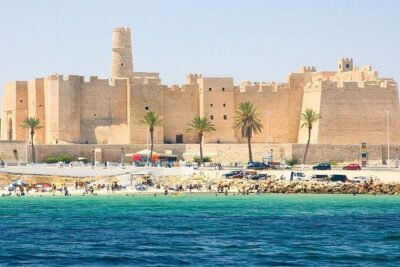
Private Tour to Kairouan, El Jem & Monastir from Tunis Hammamet
Read our review →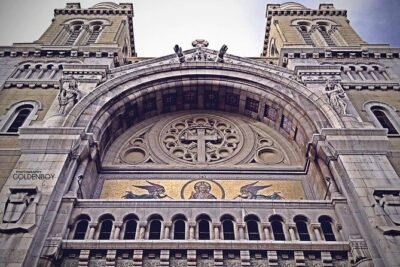
Private tour: Medina,Carthage ,Sidi Bou Said, Bardo Museum+lunch
Read our review →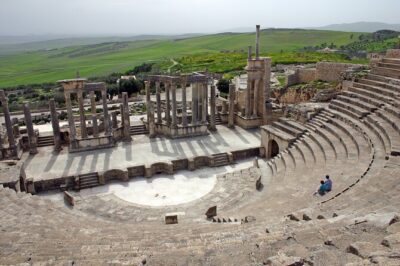
Private Excursion to Testour, Dougga and Bulla Regia from Tunis.
Read our review →
Guided Bike Tour of Carthage Archeological Site in Tunisia
Read our review →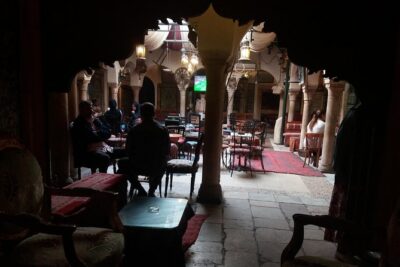
Guided tour in the UNESCO world heritage Medina of Tunis
Read our review →
Archaelogical Site Of Carthage + Picturesque Village Of Sidi Bou Said
Read our review →
Browse the lists this tour appears in