
Reviewed · TUNIS
Guided tour in the UNESCO world heritage Medina of Tunis
Tunis’s medina makes far more sense with someone who knows its turns, its buildings, and its people. Saber Arraki is a national certified guide who grew up here, and that local connection shapes the walk. You move from Zitouna Mosque and old madrasas to perfume stalls, goldsmiths, chechia makers, and quiet lanes that are easy to miss alone.
I like the mix of history and daily life. You are not simply shown monuments, you learn how the medina functions as a living neighborhood. I also like the small maximum group of 15 and the flexible pace, especially if you want time for photographs or questions. The main consideration is that this is a walking tour with no private transport, and the route can last anywhere from two and a half to three and a half hours.
Key points to know before you book
- A guide with local roots: Saber Arraki grew up in the medina and is certified by Tunisia’s National Tourism Office.
- A broad look at Tunis: The route links mosques, madrasas, souks, traditional homes, a hammam, and a cultural center.
- More than shopping streets: Much of the walk explores quieter residential and architectural parts of the medina.
- A useful first morning: The 9:00 a.m. start gives you a strong introduction before exploring Tunis on your own.
- English and French support: Saber has led tours in both languages, with clear English noted in the tour details.
- Good value for a guided walk: At $46.53 per person, the price includes all fees and taxes, but not transport or any unspecified extras.
Why Saber makes the medina easier to understand
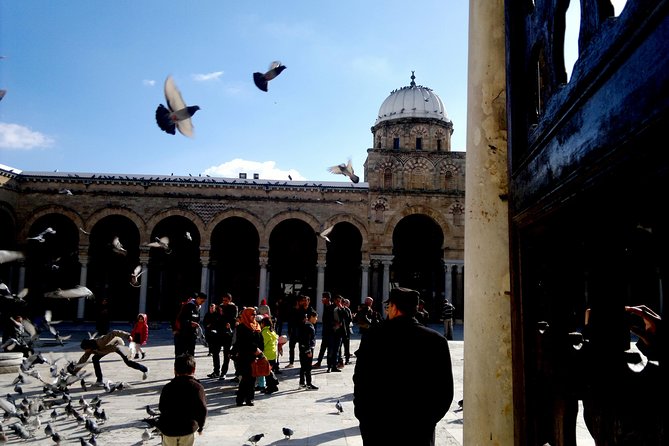
The Medina of Tunis is not a simple open-air market. It is a web of lanes, religious buildings, former palaces, workshops, cafés, and homes built around the central Zitouna Mosque. Without context, you can easily notice only the shopfronts.
Saber’s background matters here. He grew up in the medina and is a national certified guide approved by the Tunisian National Tourism Office. That gives the walk two useful layers. You get formal information about architecture and Tunisian history, along with a personal view of how the old city works.
The strongest part of the experience is the guide’s willingness to answer questions. The tour can cover history, architecture, Tunisian customs, and ordinary life. If you care about Moorish design, religious buildings, craftwork, or local culture, tell Saber early. The route has enough variety for him to give extra attention to your interests.
The group limit is 15 people. That is not a private tour, but it is small enough to hear a guide in narrow lanes and ask questions without turning the walk into a large crowd. Several parts of the route also allow time for photographs, and Saber is described as patient with families and slower walkers.
More Guided Tours in Tunis
- Guided Bike Tour of Carthage Archeological Site in Tunisia
★ 5.0 · 88 reviews - Group Guided Bike Tour of Carthage Archeological Site in Tunisia
★ 5.0 · 57 reviews - 7 Day Guided Tunisia Tour Including Pickup
★ 5.0 · 27 reviews
Starting at the Kasbah and reaching Zitouna Mosque
The tour begins at La Kasba at 9:00 a.m. The Kasbah area gives you an immediate sense of Tunis as a political and religious center, before the route moves into the medina proper.
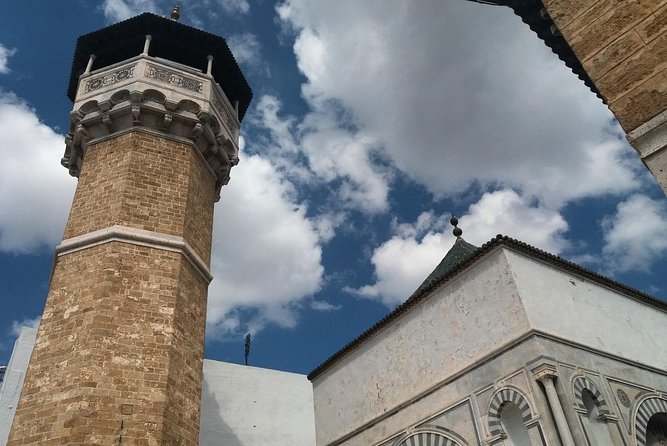
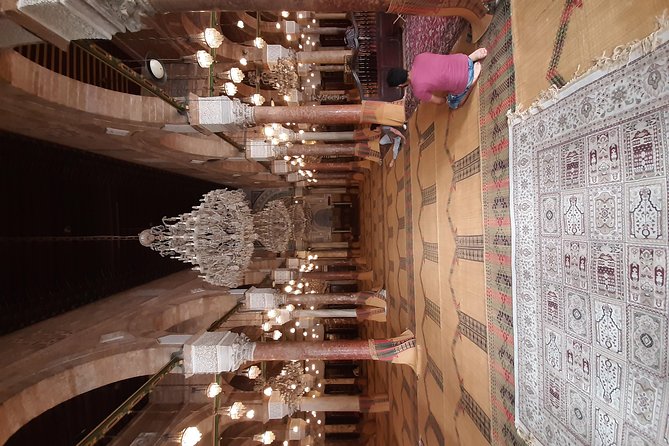
The first major landmark is the Zitouna Mosque, also called the Mosque of the Olive Tree. It is the main mosque of the medina and the oldest and largest sanctuary in Tunis. The complex covers about 5,000 square meters and has nine entrances.
Its 184 antique columns are a striking detail. Many came from the site of ancient Carthage, linking the Islamic monument to the much older civilizations of Tunisia. The mosque follows the Maliki tradition, an important point in understanding its religious place in the capital.
The supplied route does not specify every area of the mosque that can be entered, so you should not assume that all interior spaces are open during the walk. Still, the mosque provides the essential reference point for the medina. Streets and souks grew around this center, and Saber can explain how the buildings relate to one another.
One particularly good possibility is a rooftop viewpoint over the medina and toward the mosque. This was singled out as a memorable part of the walk, but rooftop access is not listed as a separate guaranteed stop, so regard it as dependent on the day and route.
Dar Lasram and the design of a Tunisian palace
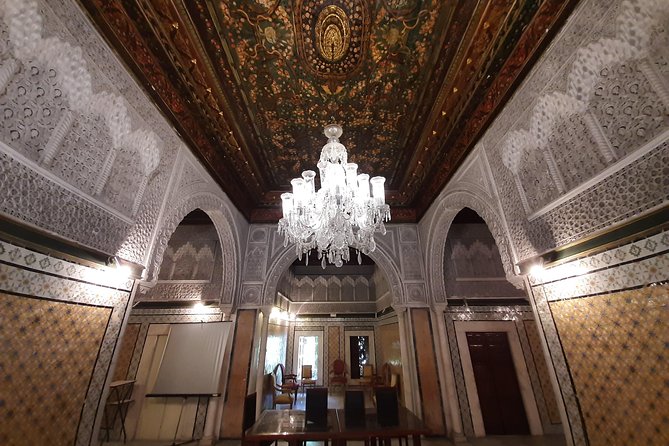
Dar Lasram is one of the more rewarding architectural stops. The house covers about 2,250 square meters and shows the traditional arrangement of a large Tunisian residence.
The ground floor held a shop and service areas. The main family house occupied the level above, while the upper floor was used as a guest house. This division helps you picture the old social order: business below, family life above, and formal hospitality in its own space.
The building is now shared by the Association for the Safeguarding of the Medina and the Tahar-Haddad Cultural Club. Admission is not included at this stop, so ask Saber how access will work on your date.
Allow around 30 minutes here. That is enough time to look at the structure rather than rush past it for a quick photograph. If you enjoy courtyards, old residences, and the connection between architecture and family life, Dar Lasram may be one of the best stops on the route.
Slimaniya Madrasa and the medina’s schools
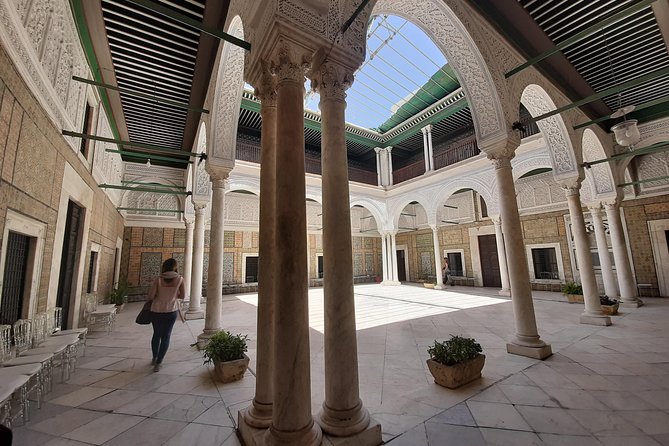
The Slimaniya Madrasa was built in 1754 by Ali I Pasha in memory of his son Suleiman. It sits close to Zitouna Mosque, at the meeting point of Souk El Koutbiya and Souk El Kachachine.
The building gives you a look at the educational side of the medina. These madrasas were not merely decorative monuments. They supported religious study and housed an established intellectual and social life around the mosque.
The visit lasts about 15 minutes, and admission is included. That makes it a compact but useful stop after the mosque and palace. Saber can help connect the madrasa to the wider network of schools and religious institutions spread through the old city.
There is a choice between visiting Slimaniya and Bir Lahjar, another madrasa later in the route. If you care more about religious architecture than shopping, ask which site will be visited and why.
More ancient sites near Tunis:
- Historical Tour of Ancient Carthage
★ 5.0 · 51 reviews - 2 Hour Hergla Visit and Sousse Medina Heritage Tour
★ 4.5 · 3 reviews
Souk El Attarine, where perfume is part of the story
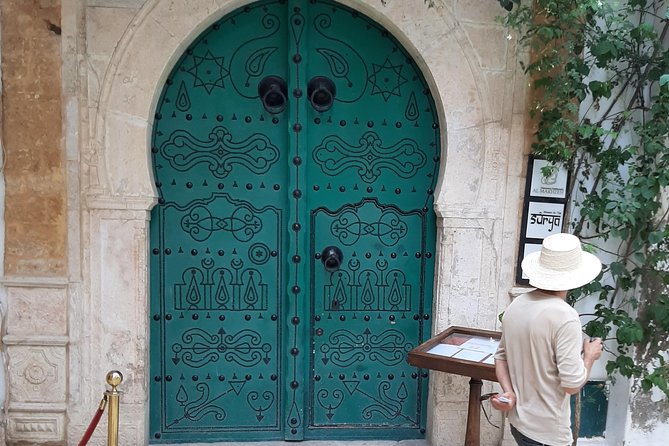
Souk El Attarine is the souk of perfumers. Its traditional trade centers on perfumes and beauty products, making it a different experience from a general market street.
This is a good place to pay attention to how the medina was organized by craft and trade. Different souks developed around particular goods, and the names still point to those older specialties. The route gives you about 15 minutes here, with no admission fee.
You can browse, but the main value is learning how commerce fits into the medina’s structure. The tour is not presented as a shopping excursion, so you should not expect a long buying session at every stall. If you are interested in purchasing perfume or cosmetics, use the time to ask questions and compare rather than feel rushed.
A café pause in the old city
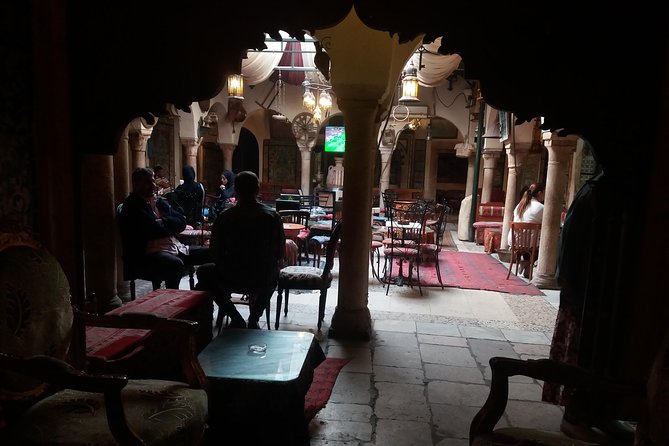
Café du Souk is an emblematic café in the medina, with around 30 minutes allocated to the stop. That pause changes the rhythm of the walk.
A café visit is useful because it lets you watch the old city as a social space rather than a string of monuments. You can rest, continue a conversation with Saber, and ask about Tunisian customs or his own experience growing up in Tunisia.
The tour information lists the stop as free, but it does not say that drinks or food are included. Plan to pay for anything you order yourself. The break is also worth considering if you are traveling with children or simply want a slower morning.
Hammouda Pasha Mosque, the gold market, and a traditional hammam
Rue de la Kasbah brings several short stops close together. The route includes a look at Hammouda Pasha Mosque, followed by Souk El-Birka, the goldsmiths’ market.
Only about five minutes is assigned to each of these stops. That is enough for an orientation and photographs, but not a long architectural visit. The gold market is best understood as part of the medina’s trade system, not as a standalone shopping appointment.
The route then passes Hammam El Kachachine. Again, the stop is brief, with about five minutes for discovery. A hammam adds an important piece to the picture of old urban life. The medina was built around more than worship and commerce. Public bathing was part of the social infrastructure.
Because the timing is short, expectations matter. You are being shown the setting and given context, not promised a bath or a full interior tour.
Chechias, the craft that gives the route character
The Grand Souk des Chechias is devoted to traditional chechia making. These are the familiar red wool caps associated with Tunisia, and the souk offers a chance to connect a finished object with the craft tradition behind it.
This stop lasts about 15 minutes and is free. It is one of the places where Saber’s local contacts and familiarity with artisans can add real value. The tour details indicate that he may introduce you to craftspeople and their work, something difficult to arrange when wandering without a guide.
As with the perfume souk, buying is optional. You can focus on the process, the setting, and the role of craft in the medina. If you want to shop, ask about quality and fair prices, but do not assume purchases are part of the tour fee.
Dar El Jeld and Rue du Pacha
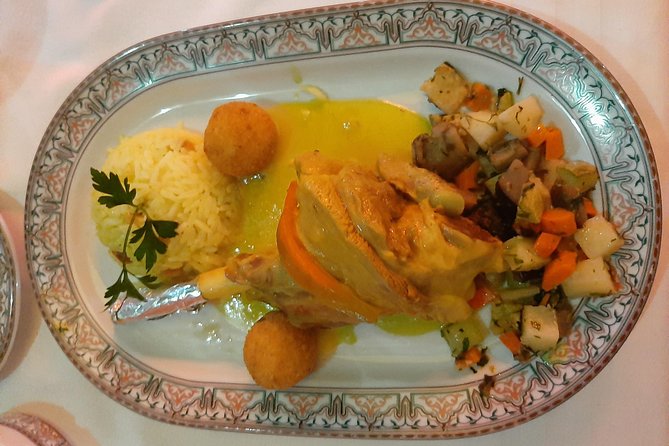
Dar El Jeld is an old residence now converted into a gourmet restaurant. The route includes a short photo break near the building rather than a meal. It is a quick stop, but it helps you see how historic residences are being reused.
Rue du Pacha receives much more time, around 30 minutes. This street contains several monuments, including Dar Hammouda Pasha, the mausoleum of Didi Ben Arous, and Hammouda Pasha Mosque.
The street is a good place to bring the morning’s themes together. You can compare homes, religious buildings, memorial spaces, and commercial lanes, then see how close they sit within the old city. The short stops earlier in the tour make more sense when you reach a street with such a concentration of monuments.
Bir Lahjar, a choice between two madrasas
The final listed cultural stop is the Bir Lahjar Arts Center, housed in a former madrasa. The school hosted Maliki students from different parts of Tunisia for many decades.
This is the alternative to Slimaniya. The route describes a choice between the two rather than a guaranteed visit to both. Bir Lahjar may appeal to you if you want a cultural center and a clearer link to the medina’s educational role.
The stop lasts about 15 minutes and admission is included. Ask Saber at the beginning which madrasa is planned, especially if one architectural period or building type matters most to you.
The walk ends in La Medina, not back at the Kasbah. That is convenient if you want to continue exploring, eat lunch nearby, or remain in the old city. Private transport is not included, so you will need to arrange your own onward travel.
What the $46.53 price delivers
At $46.53 per person, this is priced as an accessible guided introduction rather than a luxury private experience. The fee includes all listed fees and taxes, with admission included for Slimaniya and Bir Lahjar, though the Dar Lasram entry note says admission is not included there.
The value comes mainly from interpretation and navigation. A map can show you Zitouna Mosque, the souks, and the major streets. It cannot easily explain why the medina is arranged around craft quarters, how a traditional house was divided, or where to look for a working artisan.
The price makes the most sense if this is your first visit to Tunis or if you have limited time. You get a broad orientation in one morning, then you can return to the places that caught your interest. It is also useful for families, since the guide has been described as patient with children.
There are two limits to keep in mind. First, the duration varies from two and a half to three and a half hours, so do not schedule a tight appointment immediately afterward. Second, a group of up to 15 means you should not expect the same level of personal attention as on a private walk.
The experience is often booked about 25 days ahead. That figure suggests planning early is sensible if your Tunis dates are fixed, especially since the tour requires a minimum number of participants to operate.
Who will get the most from this walk
I would choose this tour if you want the medina explained through both buildings and people. It suits first-time visitors, history and architecture fans, families, and anyone who feels uneasy about finding the right lanes alone.
It is also a strong match if you want to ask cultural questions. Saber’s personal experience gives the conversation a human angle, while his formal certification provides structure.
You may want a different format if you dislike walking, need private transport, or want long visits inside every monument. The itinerary includes several five-minute stops, so the route is broad rather than slow and deeply focused at each site.
Wear comfortable shoes and leave room in your schedule. The route includes markets, narrow lanes, historic streets, and a café stop. The experience requires good weather, and poor conditions can lead to a new date or a full refund.
Free cancellation is available up to 24 hours before the start time. Changes or cancellations inside that window are not refunded, and the operator may also offer a new date or refund if the minimum group size is not reached.
Should you book Saber’s Tunis medina tour?
Book it if you want your first hours in Tunis to provide a clear sense of place, not just a march between famous buildings. The best reasons are Saber’s local roots, his ability to discuss Tunisian culture, the mix of quieter lanes and commercial souks, and the chance to see spaces you might pass without noticing.
The tour is especially good value for someone who wants a useful introduction before exploring alone. It gives you names, routes, and context, then leaves you in La Medina with the rest of the day ahead.
Skip it if you want a private vehicle, a shopping-only outing, or a detailed interior visit at every monument. For most people who want history, architecture, craft, and a personal guide in one compact morning, this is a sensible way to begin Tunis.
FAQ
Where does the tour start?
It starts at La Kasba in Tunis.
Where does the tour end?
It ends in La Medina.
What time does the tour begin?
The start time is 9:00 a.m.
How long does the tour last?
The estimated duration is between two hours and 30 minutes and three hours and 30 minutes.
How much does the tour cost?
The listed price is $46.53 per person.
What is the maximum group size?
The tour can include a maximum of 15 people.
Is private transportation included?
No. Private transportation is not included.
Is admission included?
All fees and taxes are included. Admission is listed as included for Medersa Slimaniya and Arts Center Bir Lahjar. Admission at Dar Lasram is not included.
Can I cancel for a full refund?
Yes. You can cancel at least 24 hours before the start time for a full refund.
What happens if the weather is poor or the minimum group size is not reached?
If poor weather or an insufficient number of participants causes cancellation, you will be offered another date or experience, or a full refund.
Just added around Tunis
- Private Group Day Tour Tunis Medina Carthage Sidi Bou Said★ 4.5 · 3 reviews
- Private Tour Bardo Museum, Carthage, Sidi Bou Said and Medina★ 4.5 · 3 reviews
- Explore Tunisia in Depth:The Private Grand Tour in 8 Days★ 5.0 · 3 reviews
- 3-Day South of Tunisia Guided Tour from Tunis★ 4.0 · 3 reviews
- Bardo Museum , Oudhna and the roman aqueduct★ 5.0 · 4 reviews
- From Tunis: Star Wars 5 day tour★ 5.0 · 4 reviews
- DAY TRIP TO Dougga & Bulla Regia , DEPARTURE FROM Tunis★ 5.0 · 4 reviews
- Private Walking Tour of Carthage Archaeological Site in Tunisia★ 4.5 · 4 reviews
Tunis Tours, compared.
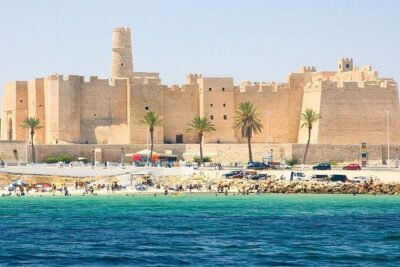
Private Tour to Kairouan, El Jem & Monastir from Tunis Hammamet
Read our review →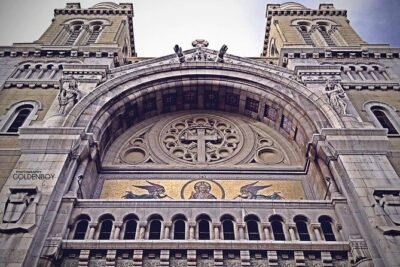
Private tour: Medina,Carthage ,Sidi Bou Said, Bardo Museum+lunch
Read our review →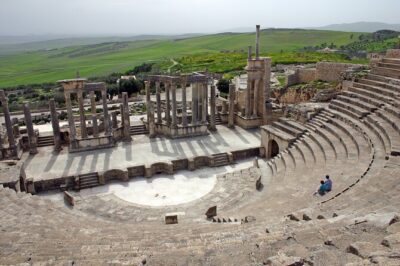
Private Excursion to Testour, Dougga and Bulla Regia from Tunis.
Read our review →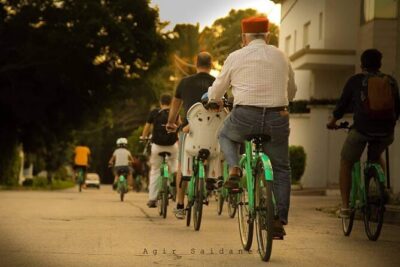
Guided Bike Tour of Carthage Archeological Site in Tunisia
Read our review →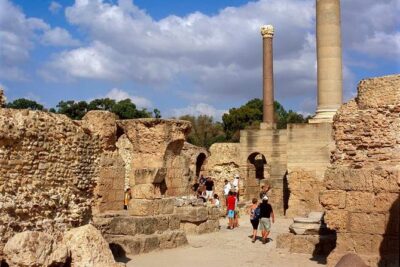
Archaelogical Site Of Carthage + Picturesque Village Of Sidi Bou Said
Read our review →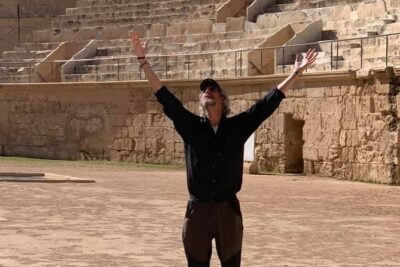
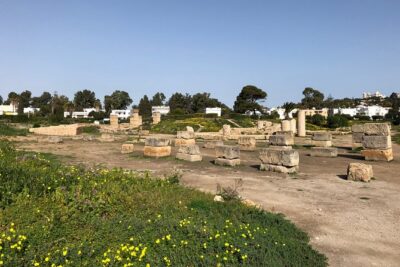
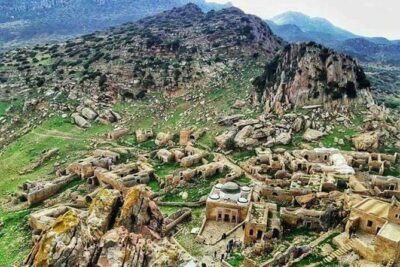
Out of time Berber villages Tekrouna and Zriba Alia
Read our review →Browse the lists this tour appears in