
Reviewed · TUNIS
The Best of Tunisia, 3 Days Guided Tour with Lunch
Tunisia packs an astonishing amount into a small country, and this three-day private tour gives you a fast but thoughtful introduction. You move from the old streets of Tunis to Carthage, Kairouan, El Jem, Sousse, and Monastir, with five UNESCO World Heritage sites included along the way.
I like the mix of major monuments and ordinary city life, especially the contrast between the Roman amphitheater at El Jem and the blue-and-white lanes of Sidi Bou Said. I also like having a private guide and driver, since the long second day can be adjusted to your pace. The main drawback is simple: three days means substantial driving, and each stop receives only a short visit.
Key points to know before booking
- Five UNESCO World Heritage sites: Visit the medinas of Tunis, Kairouan, and Sousse, the archaeological sites of Carthage and El Jem, and several other major monuments.
- A private group experience: Only your party takes part, with pickup offered and a start time of 8:30 am.
- The strongest Roman site: El Jem’s amphitheater held about 30,000 spectators and is remarkably well preserved.
- Two very different Tunisian medinas: Tunis feels sprawling and commercial, while Kairouan offers a more traditional setting with pastries and carpet workshops.
- Lunch is included: Meals highlight food from different regions during the three-day route.
- A demanding but useful schedule: The itinerary covers a lot of ground, so it suits you best if seeing the country matters more than lingering in one town.
Why this route works in only three days
The tour is built around Tunisia’s greatest concentration of historic sights. Day one stays around Tunis and the northern coast. Day two heads south toward Kairouan and El Jem. Day three takes you through the resort towns and coastal monuments of Hammamet, Sousse, and Monastir.
That plan gives you a broad sense of Tunisia. You see Islamic architecture, Roman remains, old trading streets, fishing and resort towns, and the cafés of the Mediterranean coast. I like this variety because Tunisia is not one-note. It is not only Roman ruins or only beaches.
The tradeoff is time. The listed visits range from 30 minutes to about 80 minutes, and driving connects them. You will get a useful first look, but not the leisurely pace needed for long museum visits, extended shopping, or quiet time in every medina.
Because the tour is private, your guide can help decide where to spend an extra few minutes. Guide teams associated with the experience have included Fahmi, Yousra, and Chouaib, with drivers Said, Saeed, and Ahmed. English service has been specifically praised, and the drivers have been described as punctual and careful.
More Guided Tours in Tunis
- Guided Bike Tour of Carthage Archeological Site in Tunisia
★ 5.0 · 88 reviews - Guided tour in the UNESCO world heritage Medina of Tunis
★ 5.0 · 68 reviews - Group Guided Bike Tour of Carthage Archeological Site in Tunisia
★ 5.0 · 57 reviews
Day one: Tunis, Carthage, and Sidi Bou Said
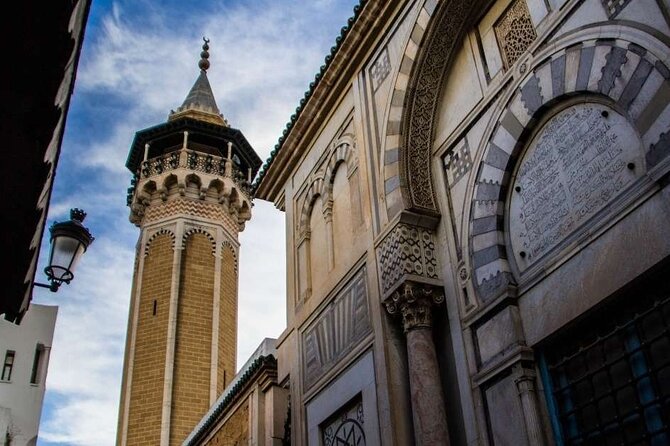
The first morning begins at 8:30 am with the Medina of Tunis. This old quarter is a maze of narrow lanes, covered souks, cafés, workshops, mosques, palaces, hammams, and religious schools.
Give yourself time to look upward and sideways. The best details are often around doorways, tilework, carved stucco, and marble columns. Brightly painted doors lead into residential areas, while the souks sell shoes, crafts, and everyday goods. This is not a museum frozen in time. It remains part of the city, which makes it more interesting and also more crowded and confusing.
The planned visit lasts about 45 minutes. That is enough for an introduction, but you may want to ask your guide to focus on the most important lanes rather than trying to cover the entire quarter. Comfortable shoes matter here. Streets and alleys can be uneven, and the covered markets may feel tight if you prefer open spaces.
La Goulette and the coast
Next comes La Goulette, a seaside district known for its cafés and restaurants. The stop lasts about an hour and gives the day a change of rhythm after the enclosed medina.
You can expect café terraces and streets with a steady local energy. The tour does not list an admission charge here, so this is more about seeing a coastal neighborhood than entering a formal attraction. It can also be a useful lunch setting, since lunch is included during the tour, though the exact restaurant is not specified.
Carthage, an ancient city scattered through a modern one
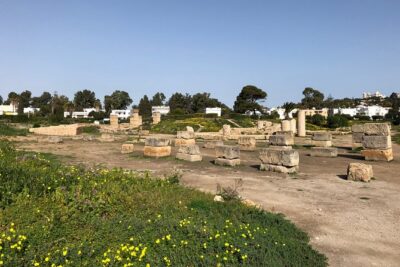
The archaeological site of Carthage is spread across the present-day city of Carthage. That is part of its appeal, but it also means you are not walking through one compact ruin field. The remains sit among modern roads and neighborhoods, so your guide’s explanations help connect the separate areas.
The visit lasts about 80 minutes and admission is included. Carthage matters because it brings together the Punic and Roman chapters of Tunisian history. You will get a stronger sense of the site by treating it as a collection of locations rather than expecting one grand entrance and one complete ancient city.
This is one of the day’s most important stops, so pay attention to the route between the ruins. The historical story is spread out, and the guide is valuable here, particularly if you want context rather than a quick look at stones.
A few more Tunis half-days to weigh up
- Private tour: Medina,Carthage ,Sidi Bou Said, Bardo Museum+lunch
★ 5.0 · 230 reviews - Full Day Dougga & Bulla Regia Via Testour Private tour with Lunch
★ 5.0 · 29 reviews - Tour of Tunis Carthage and Sidi Boussaid with local lunch
★ 5.0 · 7 reviews - El Jem and Monastir Full-Day Tour with Lunch from Tunis or Hammamet
★ 4.5 · 7 reviews
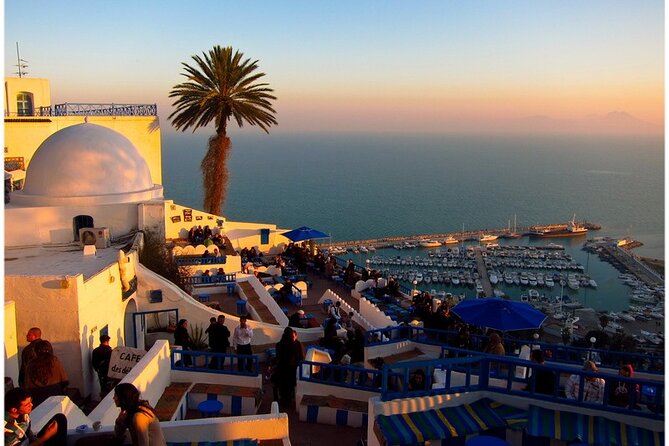
Sidi Bou Said’s blue and white streets
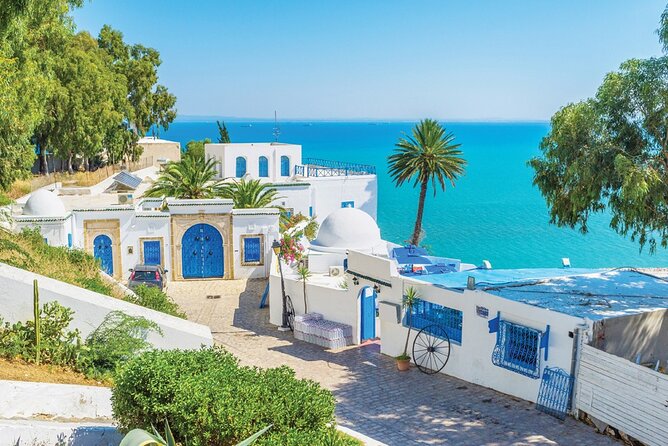
The final stop is Sidi Bou Said, a hilltop village with white buildings, blue doors, cobbled lanes, and broad views toward the sea. Its architecture reflects Ottoman and Andalusian influences, including the arrival of Spanish Muslims in the 16th century.
The visit lasts about 45 minutes and admission is free. This is a good place for photographs, but it is not only a photo stop. I like the way the village offers a visual counterpoint to Carthage and Tunis. After ancient ruins and dense market streets, you get open views, bright façades, and a slower walk.
The short visit will give you the main lanes and viewpoints, but not much time for a long café stop. If your priority is scenery and architecture, Sidi Bou Said may be one of your favorite parts of day one.
Day two: Kairouan and the great Roman amphitheater
Day two is the most history-heavy part of the tour. It combines the religious importance of Kairouan with the Roman remains of El Jem. It is also likely to feel like the longest day, since the route covers more distance than the first and third days.
The Great Mosque of Kairouan
Kairouan is regarded as the fourth holiest city in Islam, and its Great Mosque is the city’s central monument. The building dates to 670 and has the solid, fortress-like appearance common to early Islamic architecture in the Maghreb.
You will spend about 45 minutes inside the visit, with admission included. Look for the massive minaret, the broad courtyard, the surrounding arcades, the sundial, carved cedar doors, and the marble columns in the prayer rooms. The scale is impressive even if you are not deeply familiar with Islamic architecture.
Since this is a religious site, respectful clothing and behavior are wise. The tour description does not specify access rules for every area, so follow your guide’s instructions. The visit is brief, but it introduces one of Tunisia’s most important religious buildings.
The Aghlabid Basins
The Aghlabid Basins sit outside Kairouan’s medina. These large water-storage works date from the second half of the ninth century and are considered among the most important hydraulic projects in the Muslim world.
The stop lasts 30 minutes. It may seem less immediately dramatic than a mosque or amphitheater, yet it explains how a major inland city supported itself. I like including this kind of site because it shows practical engineering, not only ceremonial architecture.
Kairouan’s medina and mekroudhs
The Medina of Kairouan receives about an hour. It is described as one of Tunisia’s best-preserved and most authentic medinas, with souks, carpet production, and the local pastry known as mekroudhs.
This is a good place to use your private guide. Ask about the difference between a shop visit and an actual craft workshop, and take time to notice the pace of the streets. If you want to buy a carpet or other craft, avoid rushing into a purchase simply because the setting feels historic.
The medina stop is also one of the better chances to taste a regional food. Lunches are included and are designed to feature food from different parts of Tunisia, though exact menus are not provided.
El Jem’s amphitheater
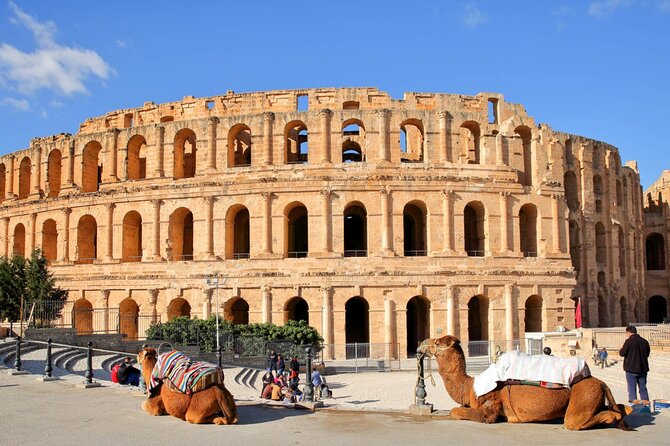
El Jem is the visual high point of the second day. The ancient city was called Thysdrus, and its third-century amphitheater could hold about 30,000 spectators. It ranks among the largest Roman amphitheaters in the world, after those in Rome and Capua.
You get about 80 minutes here, with admission included. That is enough time to walk through the arena, inspect the seating, and explore the lower passages. The structure is unusually powerful because it rises from a modern town rather than sitting in a remote archaeological park.
I would not treat El Jem as a quick photo stop. The size becomes clear when you move through the interior and imagine the crowd capacity. The stonework and open arena also make this a rewarding place for photographs, but bring sun protection since much of the experience is outdoors.
The El Djem Archaeological Museum
The nearby archaeological museum adds context to the amphitheater. It occupies the site of a Roman villa and follows the villa’s basic layout, with a central courtyard surrounded by a peristyle.
The collection includes sculptures, mosaics, ceramics, and other objects found at Thysdrus and nearby sites. The visit lasts about 40 minutes. That timing works well after the amphitheater because you can see the decorative and domestic side of Roman life rather than only the public monument.
Together, the amphitheater and museum make El Jem more than a single dramatic ruin. The day is long, but this pairing gives the Roman section of the tour a useful balance.
Day three: Hammamet, Sousse, and Monastir
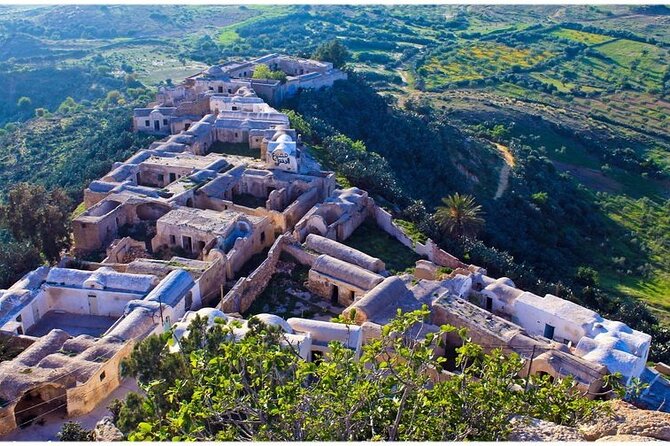
The final day shifts back toward the coast. You will see resort areas, a historic medina, an early Islamic fortress, and a marina. It is a less intense day than Kairouan and El Jem, though it still includes three separate towns.
Hammamet’s old quarter and beaches
Hammamet is best known for its beaches and summer nightlife, but its older side has a different feel. The medina has white houses, old ramparts, narrow lanes, and a setting beside the sea. Jasmine and lemon groves are part of the town’s familiar character.
The visit lasts one hour and admission is free. You will get a taste of the old town rather than a full day at the beach. The newer Yasmine Hammamet resort is also nearby, but the listed stop focuses on Hammamet itself.
I like this stop because it keeps the tour from becoming a march through ruins. You see how Tunisia presents itself as a coastal holiday destination, while still retaining an older fortified center.
Sousse’s UNESCO-listed medina
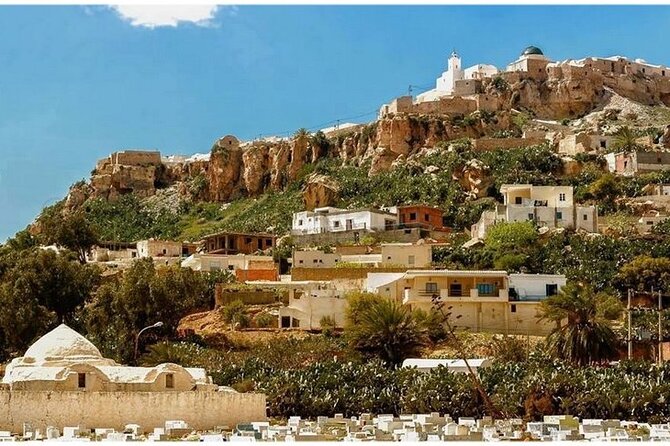
The Medina of Sousse is a compact example of Arab-Muslim planning in a coastal city exposed to seaborne attacks and piracy. Its position in the Tunisian Sahel shaped both its walls and its street plan.
You receive about an hour here, with admission included. Compared with Tunis, Sousse may feel easier to grasp because the historic quarter forms a more unified architectural ensemble. Look for the relationship between the defensive walls, lanes, and coastal setting.
This is another place where a private guide adds value. The stonework alone can blur together after several historic sites, so ask your guide to point out how Sousse differs from Tunis and Kairouan.
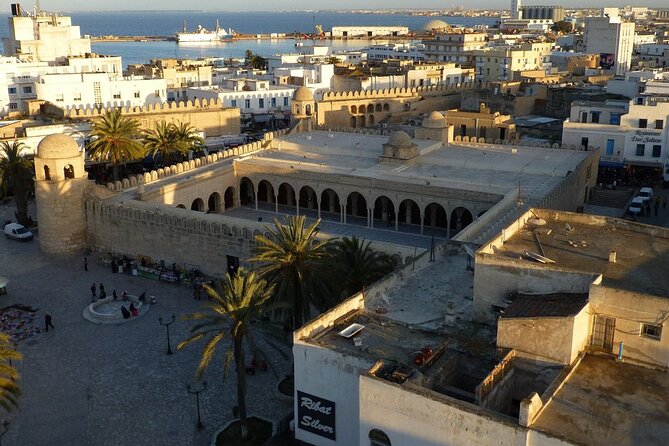
Monastir’s Ribat
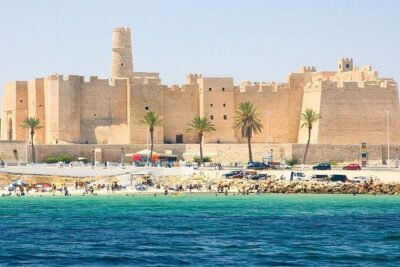
The Ribat of Monastir is the oldest and most important defensive work built along the Maghreb coast by the early Arab conquerors. Founded in 796, it was expanded and altered over the medieval period.
The visit lasts about 45 minutes and admission is included. The building originally formed a quadrilateral around two courtyards, with small cells for warrior monks, prayer rooms, and defensive spaces. One prayer room now holds religious and medieval craft objects.
The watchtower is reached by roughly 100 spiral steps. If you are comfortable climbing, the height gives you a useful view over the coast and the town. The stairs are a practical consideration, especially if you prefer to avoid tight climbs. Even without going to the top, the ribat is one of the day’s most distinctive buildings.
Monastir Marina
The last stop is Monastir Marina, a working port for visiting boats, passage, winter storage, and regattas. The visit lasts about 30 minutes and admission is included.
This is a gentle way to end three full days. You can see the modern coastal side of Monastir after the old fortress. It also gives you a break from interiors and archaeological sites before the tour finishes.
What the $494.77 price gets you
At $494.77 per person, this is not a budget sightseeing shuttle. The value comes from the private format, the guide and driver, included admissions, included lunches, and the amount of Tunisia covered in three days.
For a solo visitor or a couple, the price may feel high compared with a large group excursion. For a family or small group, group discounts could improve the value. You are paying for a route that would be awkward to arrange independently in such a short period, particularly with five UNESCO sites and several distant towns.
Lunch is a useful inclusion, though you should not assume every meal will match your personal tastes or schedule. The food is meant to reflect different regions, which is a plus if you want more than a standardized tourist menu.
The tour is booked, on average, 67 days ahead. That suggests planning early can be sensible, especially if your dates are fixed. Pickup is offered, mobile tickets are available, and confirmation is provided at booking.
Who should book this Tunisia tour?
I would choose this experience if you have only three days, want to see the country’s major historic sights, and prefer a private guide over a large coach group. It is also a good fit if you want English-language support and a driver who handles the long connections between towns.
You should think twice if you want slow mornings, long beach breaks, extensive shopping, or several hours at each museum. The schedule is efficient, not relaxed.
The tour requires reasonable mobility for medina streets, archaeological sites, and the spiral stairs at Monastir’s Ribat. Most people can participate, and service animals are allowed. The experience depends on good weather, with a different date or full refund offered if weather forces cancellation.
Should you book it?
Book it if your goal is a strong first look at Tunisia, not a slow stay in one region. The best parts are the range of sights, the private vehicle, the highly praised punctuality, and the guides’ clear English and local knowledge.
I would especially recommend it to first-time visitors who want Carthage, Kairouan, El Jem, Sousse, and Monastir without arranging transport town by town. Just accept that the itinerary is full. You will return with a broad picture of Tunisia and a list of places worth revisiting at a slower pace.
FAQ
How long is the Best of Tunisia tour?
The tour lasts approximately three days.
What time does the tour start?
The listed start time is 8:30 am.
Is this a private tour?
Yes. Only your group takes part in the activity.
Is pickup offered?
Yes, pickup is offered.
Which UNESCO World Heritage sites are included?
The route includes the Medina of Tunis, the archaeological site of Carthage, Kairouan, the amphitheater of El Jem, and the Medina of Sousse.
Is lunch included?
Yes, lunch is included during the tour. The meals highlight food from different Tunisian regions.
Are admission tickets included?
Admission is included for the Medina of Tunis, Carthage, the Great Mosque of Kairouan, the Aghlabid Basins, the Medina of Kairouan, El Jem’s amphitheater and archaeological museum, the Medina of Sousse, the Ribat of Monastir, and Monastir Marina. Hammamet, La Goulette, and Sidi Bou Said are listed without an admission charge.
What towns and sites are visited on day one?
Day one includes the Medina of Tunis, La Goulette, Carthage, and Sidi Bou Said.
What does day two include?
Day two includes the Great Mosque of Kairouan, the Aghlabid Basins, the Medina of Kairouan, El Jem’s amphitheater, and the Archaeological Museum of El Djem.
What is the cancellation policy?
You can cancel up to 24 hours before the start time for a full refund. Changes or cancellations made less than 24 hours before the start time are not accepted for a refund.
More 3-Day Experiences in Tunis
- 3 Days South Tunisia Discovery Tour with luxury camp and Meals
★ 5.0 · 31 reviews - Private 3 Day Tour in Southern Tunisia or More
★ 5.0 · 17 reviews - The Tunisian South between Oasis and Mountain: 3 Days / 2 Nights Douz and Tozeur
★ 5.0 · 17 reviews - 3-Day South of Tunisia Guided Tour from Tunis
★ 4.0 · 3 reviews
Just added around Tunis
- Private Group Day Tour Tunis Medina Carthage Sidi Bou Said★ 4.5 · 3 reviews
- Private Tour Bardo Museum, Carthage, Sidi Bou Said and Medina★ 4.5 · 3 reviews
- Explore Tunisia in Depth:The Private Grand Tour in 8 Days★ 5.0 · 3 reviews
- 3-Day South of Tunisia Guided Tour from Tunis★ 4.0 · 3 reviews
- Bardo Museum , Oudhna and the roman aqueduct★ 5.0 · 4 reviews
- From Tunis: Star Wars 5 day tour★ 5.0 · 4 reviews
- DAY TRIP TO Dougga & Bulla Regia , DEPARTURE FROM Tunis★ 5.0 · 4 reviews
- Private Walking Tour of Carthage Archaeological Site in Tunisia★ 4.5 · 4 reviews
Tunis Tours, compared.
Private Tour to Kairouan, El Jem & Monastir from Tunis Hammamet
Read our review →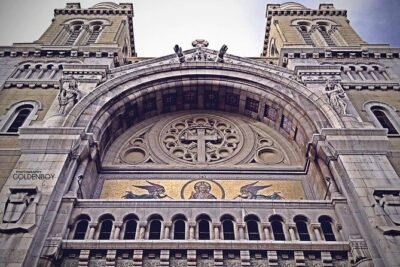
Private tour: Medina,Carthage ,Sidi Bou Said, Bardo Museum+lunch
Read our review →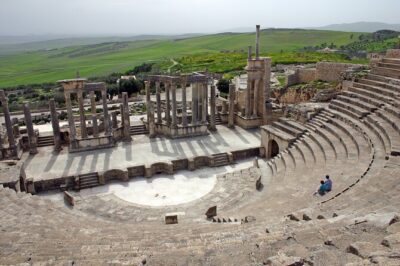
Private Excursion to Testour, Dougga and Bulla Regia from Tunis.
Read our review →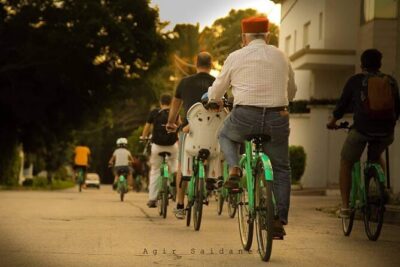
Guided Bike Tour of Carthage Archeological Site in Tunisia
Read our review →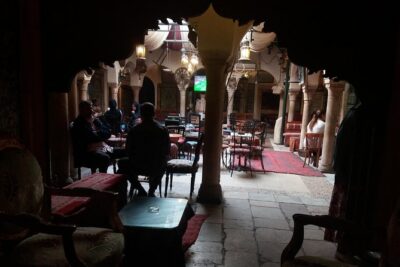
Guided tour in the UNESCO world heritage Medina of Tunis
Read our review →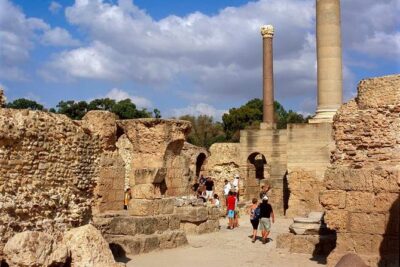
Archaelogical Site Of Carthage + Picturesque Village Of Sidi Bou Said
Read our review →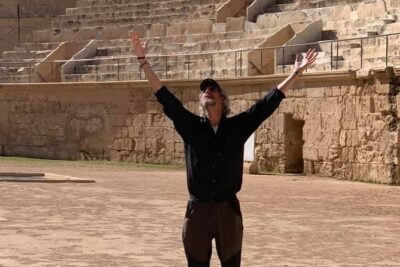
Browse the lists this tour appears in